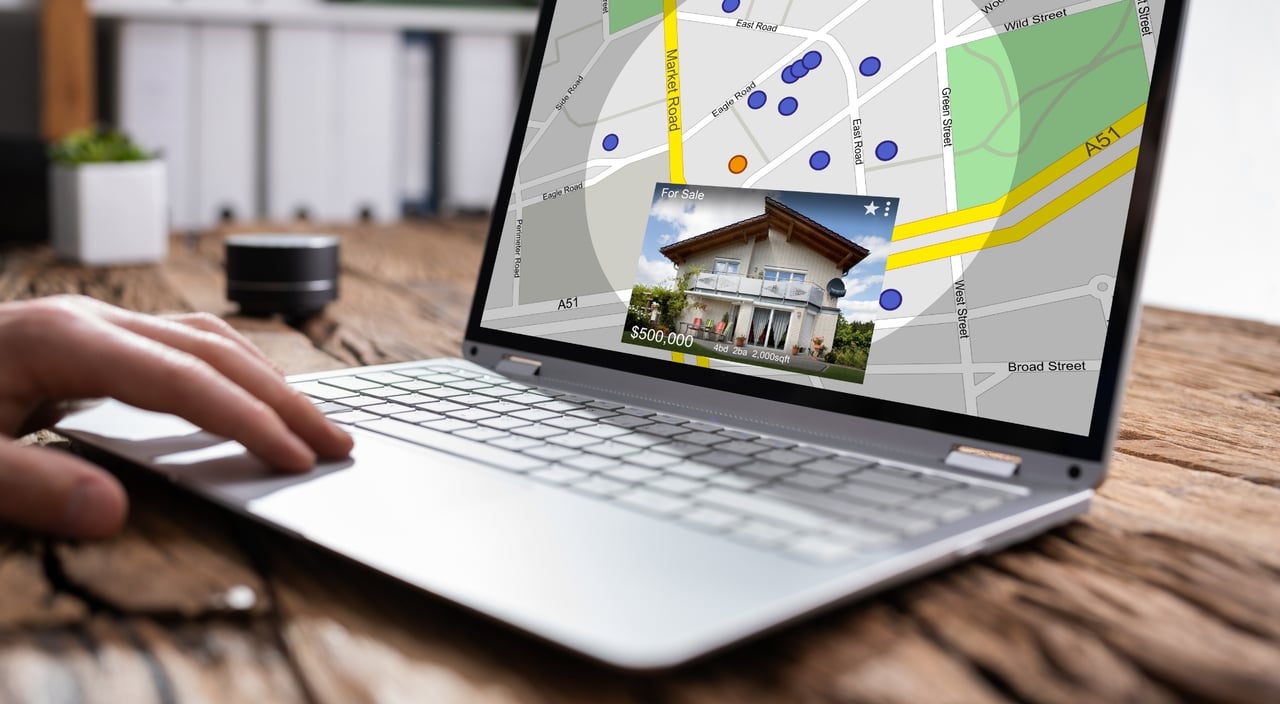
Most homeowners have looked up their property on Zillow or another online valuation site. It is quick, convenient, and sometimes exciting to see a number appear within seconds.
But that number is not an appraisal, an offer, or a guarantee of what a home could sell for.
Online estimates are created by algorithms that analyze available data, including recent nearby sales, public property records, square footage, lot size, bedroom and bathroom counts, and general market activity. That information can provide a useful starting point, but it does not tell the entire story.
An algorithm can compare numbers. It cannot walk through the front door.
It cannot fully evaluate the quality of a renovation, the amount of natural light, the flow of the floor plan, the condition of the home, or the feeling a buyer gets when they enter. It may not recognize that one property sits on a particularly desirable street, offers more privacy than neighboring homes, or has an outdoor space that buyers are willing to pay more for.
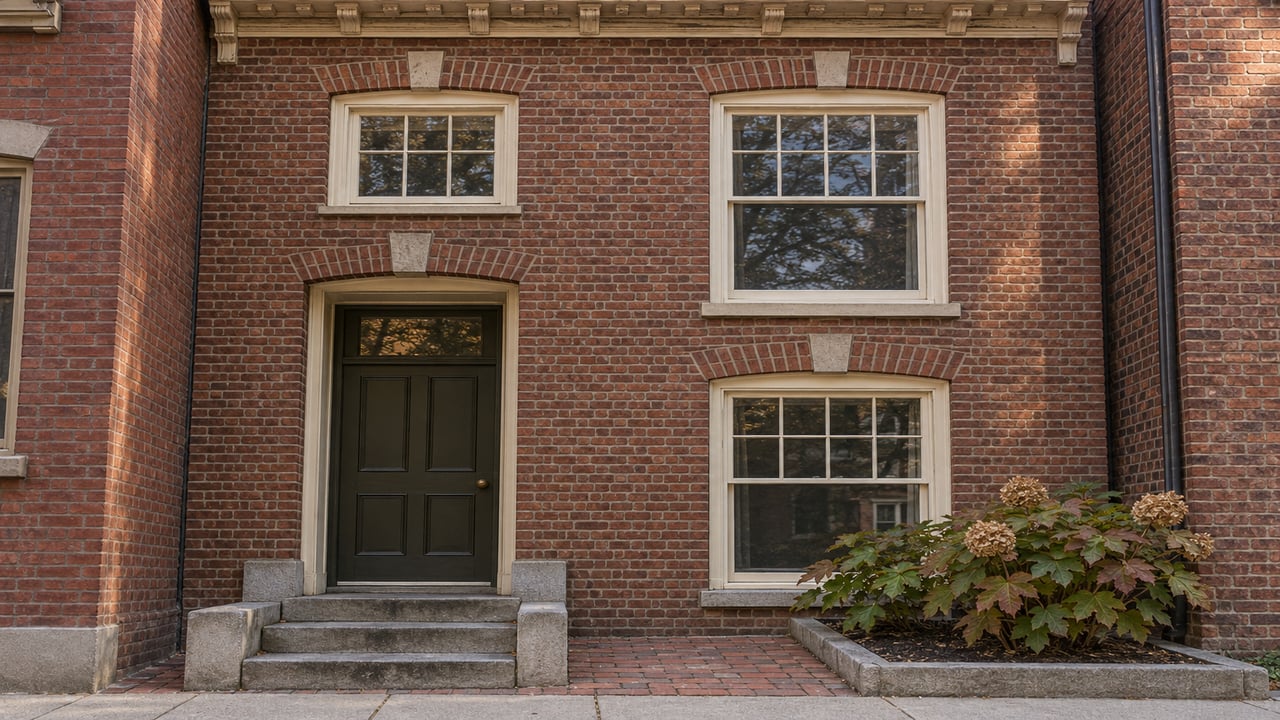
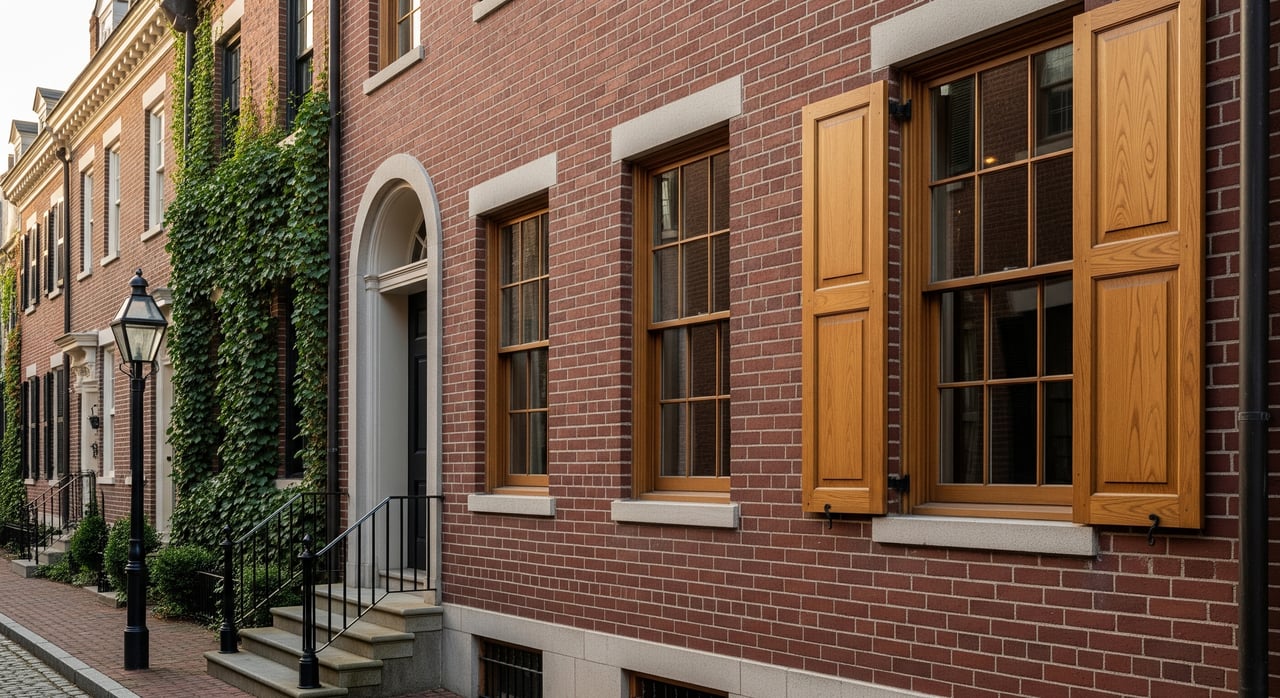
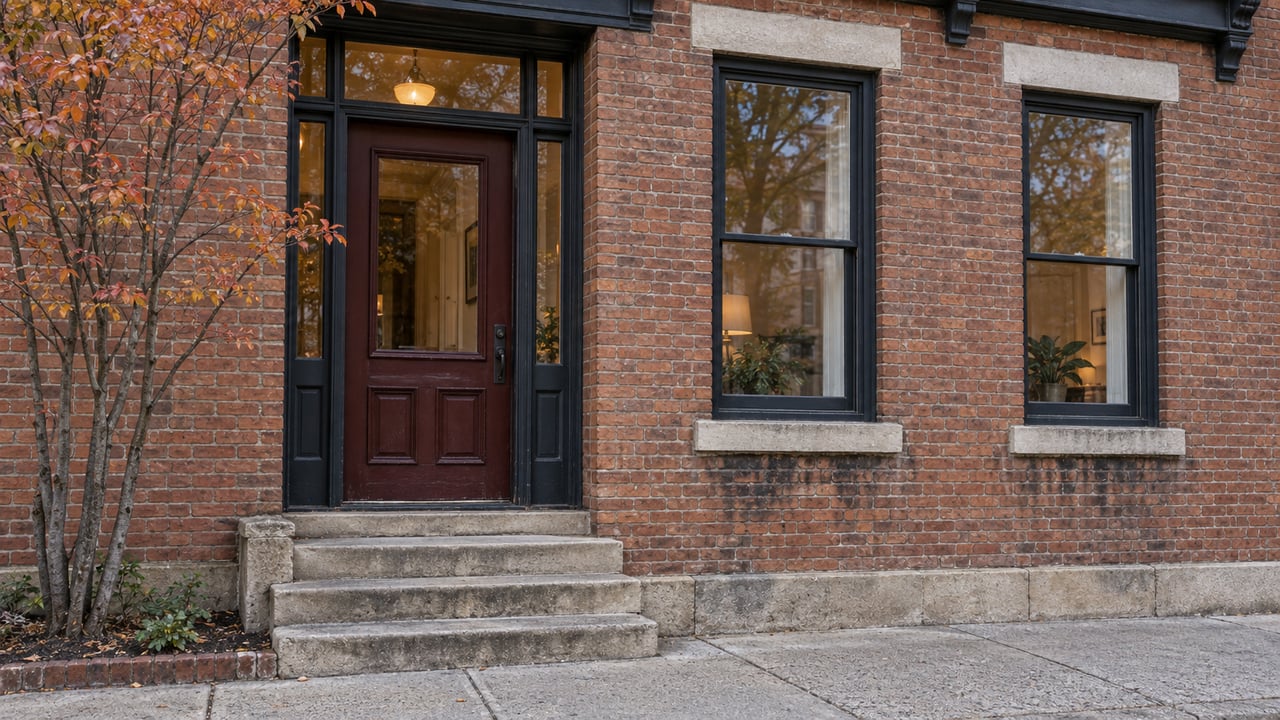
Two homes can appear almost identical in public records while offering completely different experiences in person. One may have an updated kitchen with high-quality finishes, while the other has cosmetic upgrades that look dated or were poorly completed. One may have a bright, functional layout, while the other feels dark or awkward.
Those differences matter to buyers, but they are difficult for an automated valuation tool to measure accurately.
Recent comparable sales are also more complicated than they may appear. A nearby property may have sold for less because it needed significant repairs, had limited showing availability, or was not presented effectively. Another may have sold for more because it was professionally prepared, strategically priced, and marketed to the right audience.
An online system may place both properties in the same category. A local real estate professional can evaluate why they sold differently and determine which details are most relevant to the home being valued.
The final sale price is also influenced by more than the property itself. Photography, staging, pricing strategy, launch timing, buyer demand, showing preparation, marketing, and negotiation can all affect the outcome.
A home’s value is not simply discovered. It also has to be communicated to the market.
OMNIA recently sold a home for $702,000 after Zillow estimated its value at $671,200—a difference of $30,800.
The result was not about ignoring the data. It was about understanding everything the data could not see and creating a strategy that positioned the property properly.
Online estimates can still be helpful, especially for homeowners who are beginning to think about selling or simply want a general idea of current market conditions. The problem comes when one number is treated as the final answer.
A thoughtful home valuation should consider the property’s condition, location, improvements, presentation, neighborhood demand, recent sales, and the way buyers are responding to the market right now.
Your home is more than a collection of bedrooms, bathrooms, and square footage. Its value is shaped by details that do not always appear in public records—and those details can make a meaningful difference when it is time to sell.