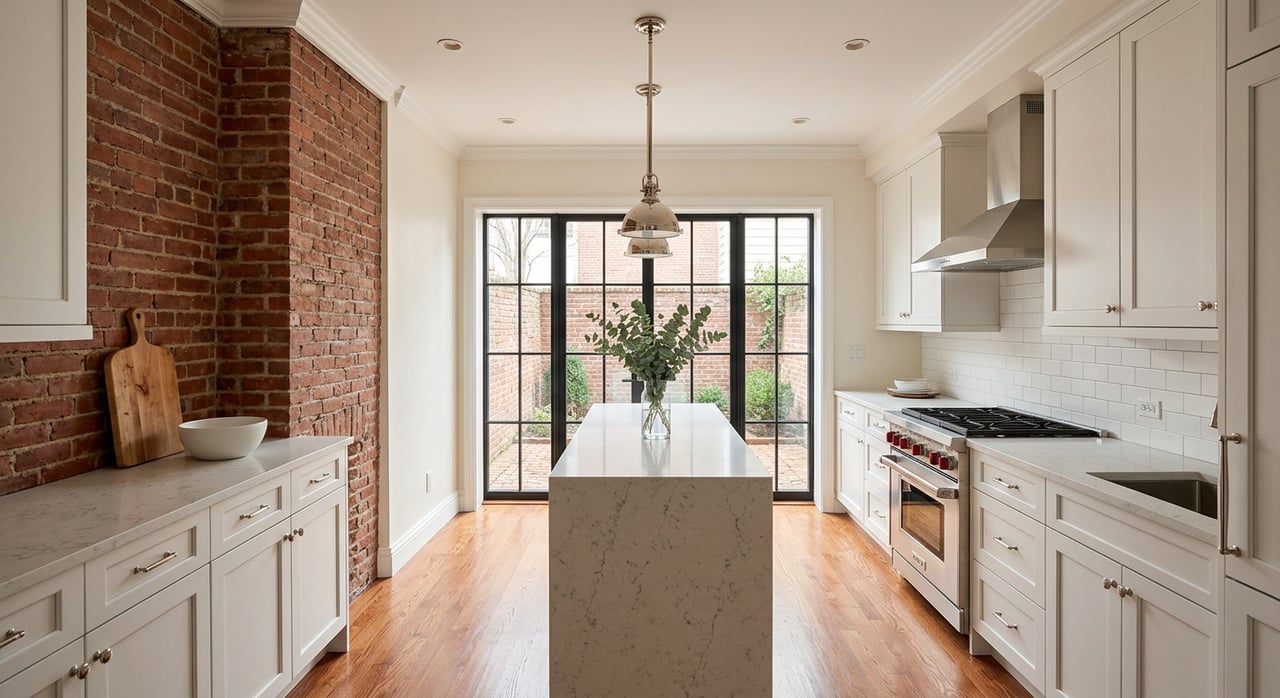
Thinking about opening up that Capitol Hill kitchen, digging out the basement, or adding a rear bump‑out, but unsure where to start? You are not alone. Between historic review, party‑wall rules, and DC permits, a great plan can stall if you miss a step. This guide gives you a clear path through the rules, approvals, timelines, and resale considerations so you can renovate with confidence. Let’s dive in.
Know the historic overlay rules
What HPO and HPRB review
If your rowhouse sits inside the Capitol Hill historic district or is a designated landmark, exterior work that is visible from public space usually needs preservation review before you can pull a building permit. Smaller, compatible repairs may be cleared by staff at the Historic Preservation Office. Larger changes and anything that affects character‑defining elevations often go to the Historic Preservation Review Board for a public hearing. You can see how projects qualify and what gets reviewed in the District’s guidance on work that requires HPO review.
Front façade vs rear additions
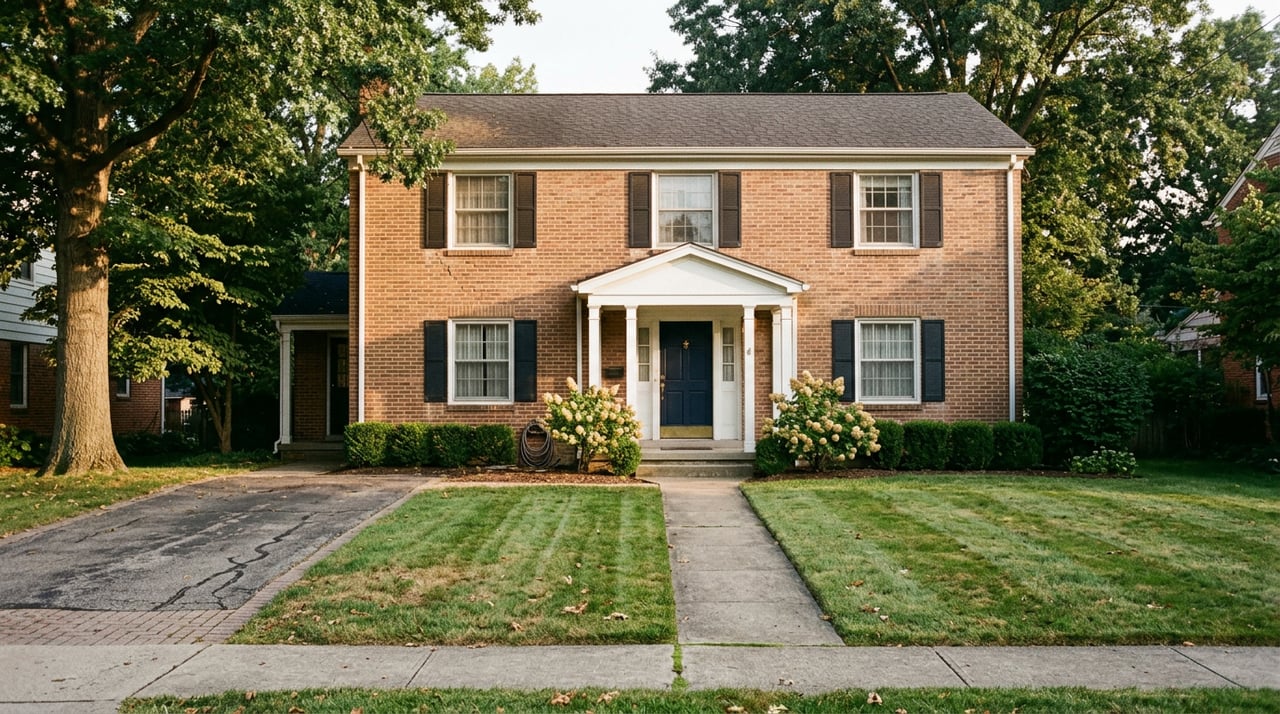
On Capitol Hill, the street‑facing front is the most protected elevation. Rear additions are more likely to be approved when they are clearly subordinate to the main house and not visible from the public right‑of‑way. The Capitol Hill Restoration Society underscores this point and warns that starting visible exterior work without prior review risks stop‑work orders and costly reversals. For local context, review CHRS’s historic district FAQs.
What can clear quickly
Window and door replacements, small rear decks, and compatible areaways or window wells can sometimes be cleared by HPO staff when they are not prominently visible. Larger additions, rooftop changes that are visible, and significant exterior alterations typically take longer and may require HPRB hearings. Plan for preservation to add days or weeks for staff clearance, and potentially months if your proposal goes to the Board. For early feedback and smoother filings, the Office of Planning encourages applicants to consult HPO before submitting. You can learn more about the process on the District’s page for permits and design review.
DC permits you will likely need
Who does what in DC
- Historic review: The Historic Preservation Office and HPRB handle preservation approvals.
- Building permits and inspections: The DC Department of Buildings is the permitting intake and issues building permits once all reviews are complete. See DOB’s Get a Permit for the path and required documents.
- Public space: If your work encroaches on the sidewalk or alley, such as a window well or areaway in public right‑of‑way, expect a separate DDOT public‑space permit.
Common permit types for rowhouses
- Alteration and Repair or Addition permits for interior remodels, kitchens, new stairs, and rear additions.
- Excavation, Foundation, Sheeting and Shoring, and Underpinning packages for basement dig‑outs.
- Special Inspections notifications when underpinning or other critical structural work is included.
- DDOT Public‑Space permits for exterior elements that extend into public right‑of‑way.
Timelines you can plan for
Simple interior alterations that do not need historic review can often move through DOB plan review in a few weeks once plans are complete. Work that needs HPO staff clearance usually adds days to a few weeks. Proposals that go to HPRB can extend by multiple hearing cycles. Structural scopes like underpinning require third‑party special inspections and neighbor notification, so permitting and coordination commonly add 6 to 12 weeks or more to the schedule, according to contractor experience documented for DC basement dig‑outs. See details on expected sequencing from a local specialist’s overview of underpinning and dig‑outs in DC and DOB’s Get a Permit guidance.
Structural reality in older Capitol Hill rowhouses
Party walls and neighbor notice
Under DC code, excavation, underpinning, sheeting and shoring, and any work that changes loads on a party wall require formal neighbor notification and a visible 30‑day site posting. You must send written notice to adjacent owners, often by certified mail, and submit proof of posting and delivery to DOB before your permit is issued. Neighbors can raise technical objections for the Code Official to review. In limited cases, DC can authorize access to an adjoining property to perform protective work. DOB outlines the notification and posting rules on its party wall and excavation notice page.
Underpinning and special inspections
Deepening a basement often means the existing footings are too shallow, which triggers underpinning and third‑party special inspections. DOB requires you to hire a qualified Third‑Party Special Inspection Agency that reports inspections electronically and coordinates with your engineer and contractor. Expect staged excavations, hold‑points for inspection and curing, and continuous coordination during construction. You can review expectations in DOB’s Third‑Party Program.
Early engineering checks to budget
- Test pits to confirm footing depths and soil conditions, which determine if you must underpin.
- A licensed structural engineer’s stamped drawings and a clear underpinning sequence.
- Third‑party inspection fees, temporary shoring plans, and protective measures for neighboring properties.
- Potential monitoring devices if requested by neighbors, and extra time if access is denied and plans must adjust.
Kitchens, basements, and additions with resale in mind
Kitchen updates that pay off
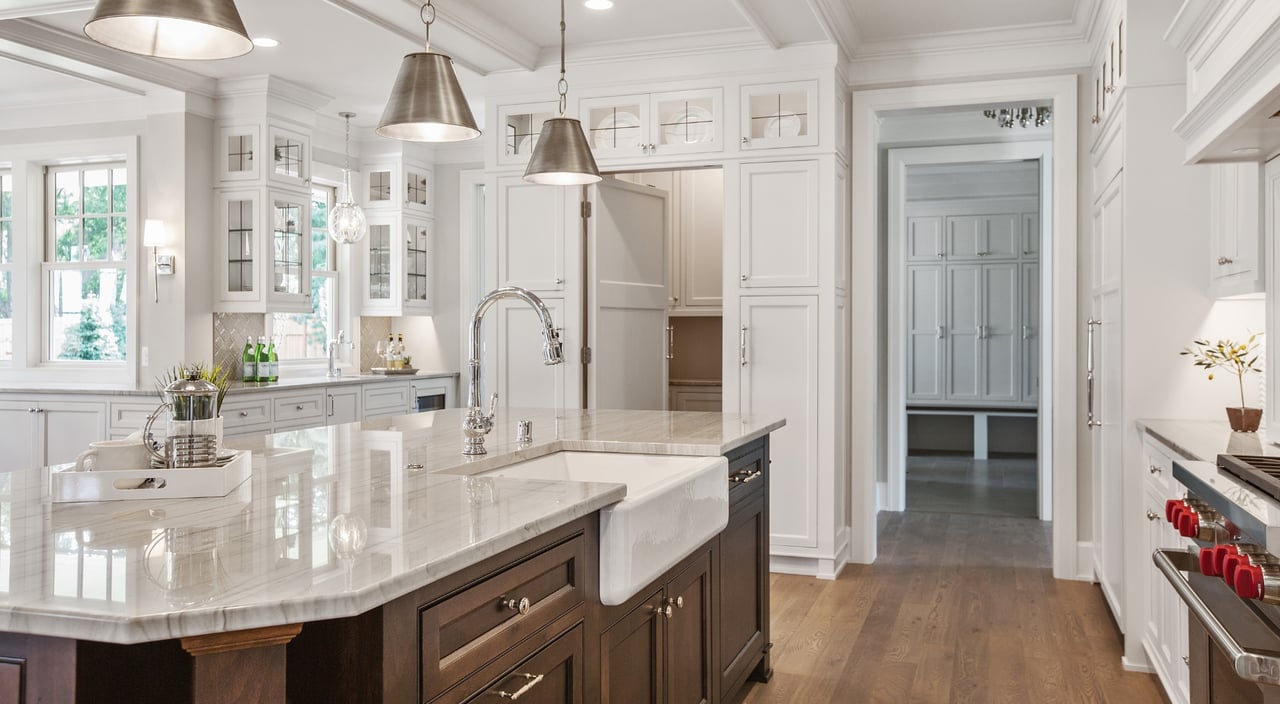
National Cost vs. Value benchmarks show a Minor or Midrange Kitchen Remodel recouped about 113 percent of job cost in 2025 on average. That makes a thoughtful, midrange kitchen refresh one of the most reliable value plays. Focus on durable, neutral finishes that complement historic character. Use the national Cost vs. Value figures as guideposts, then align budget and finishes to Capitol Hill comparables.
Finished basements that add usable space
A finished basement can deliver daily utility and market appeal, but the path costs more in DC when underpinning is required. The same benchmarks show Basement Remodels recouping about 71 percent of cost on average. Code‑compliant egress, adequate ceiling height, and proper permits are key to preserving value. If you plan any rental use or accessory unit, confirm zoning and licensing steps for your specific lot before you design.
Rear additions buyers appreciate
On Capitol Hill, the best‑received rear additions are proportionate to the original house, subordinate in massing, and not visible from the street. That approach both improves your odds with HPO and broadens buyer appeal. HPO staff and CHRS often clear well‑documented rear additions more quickly than proposals that alter the front façade. You can confirm likely review levels by contacting HPO early using OP’s permits and design review resources.
Financial help for historic work
If your home contributes to the historic district and you meet income guidelines, the District’s Historic Homeowner Grant Program may help fund exterior or structural rehabilitation. Program details can change, so check current eligibility and award caps on the Office of Planning’s Historic Homeowner Grant page when you budget.
Avoid the pitfalls that derail projects
Mistakes that trigger delays
Starting exterior or ground‑disturbing work before you have preservation clearance and DOB permits can lead to stop‑work orders and forced reversals. Skipping or rushing neighbor notification on excavation or underpinning invites valid objections and can halt your permit. Overlooking a public‑space permit for a window well or areaway can also stall your schedule.
Experience matters in DC
Contractors unfamiliar with DC’s third‑party inspection workflow often miss critical hold‑points. That causes work stoppages and costly rework when inspectors cannot verify required steps. Ask prospective teams to explain their Tertius or Third‑Party coordination plan and to name the Third‑Party Special Inspection Agency they propose to use. You can reference program expectations through DOB’s Third‑Party Program.
Right‑size your scope
Overcapitalizing on visible rooftop expansions or other elements that are unlikely to pass HPRB can waste time and design fees. Large additions may also run into zoning constraints such as lot occupancy or rear yard minimums, which can push you toward a Board of Zoning Adjustment filing. A preservation‑savvy architect and an early HPO consult help you align scope with what is approvable.
A practical pre‑purchase and pre‑renovation checklist
- Confirm historic status. Check whether the address is inside the Capitol Hill historic district and whether the structure is contributing. CHRS offers helpful orientation in its historic district FAQs.
- Pull permit history. Use DOB’s online lookups to review past permits, inspections, and any open violations for the address. Start with DOB’s Online Resources.
- Plan for preservation. If exterior work is on your list, ask HPO whether staff can clear it or if HPRB is likely. See OP’s permits and design review overview to frame your questions.
- Budget for excavation rules. If a basement dig‑out is on the table, build time for neighbor notice, a 30‑day posting, and Third‑Party special inspections. See DOB’s neighbor notice page and the sequencing described in a local underpinning overview.
- Use ROI benchmarks wisely. Treat national Cost vs. Value numbers as directional, then size finishes to local comps.
- Keep a permit‑first mindset. Make offers and construction contracts contingent on permits and, when structural work is planned, an engineer’s review. Start the DOB path early via Get a Permit.
How a boutique, legally savvy agent helps
A Capitol Hill renovation goes smoother when you have an advisor who understands preservation, permits, and party‑wall rules. You want someone who can flag approval risks before you spend on design, pull records that reveal past work, and coordinate the right architect, engineer, and contractor for DC’s Third‑Party inspection workflow. That is how you protect value and keep your timeline realistic.
As a boutique brokerage with legal‑led leadership, Omnia Real Estate brings contract clarity and neighborhood expertise to renovation‑minded purchases and listings. If you are weighing a remodel or planning a purchase with renovation in mind, schedule a personalized consultation with Leslie Shafer. We will help you map the approvals, right‑size the scope for resale, and connect you with the preservation‑savvy team your project needs.
FAQs
Do I need HPRB approval for a rear addition in Capitol Hill?
- Rear additions that are not visible from public space and are subordinate to the main house are more likely to be cleared by HPO staff, but larger or visible proposals often require HPRB review. See OP’s guidance on work that requires HPO review.
What permits are required for a basement dig‑out in DC?
- Expect building permits for alteration and foundation work, plus underpinning, sheeting and shoring, and Third‑Party Special Inspections; neighbor notification and a 30‑day posting are also required. Review DOB’s Get a Permit and party wall and excavation notice.
How long do DC permits take for interior kitchen renovations?
- When no exterior changes are involved and plans are complete, simple interior alterations can often clear review in a few weeks; add time if your scope includes exterior work that needs HPO review. See the process outline at Get a Permit.
What is a Third‑Party Special Inspection Agency and why do I need one?
- For underpinning and other critical structural work, DOB requires you to hire a qualified Third‑Party Special Inspection Agency that verifies hold‑points and reports inspections to the city. Learn more in DOB’s Third‑Party Program.
Are there grants to help with historic exterior repairs?
- Income‑qualifying owners of contributing historic homes may apply to the District’s Historic Homeowner Grant Program for exterior and structural rehabilitation support. Check current details on the Historic Homeowner Grant page.