If you are trying to choose between Eastport and historic downtown Annapolis, the difference is not just what you see on a map. It is how your week feels when you wake up, run errands, head out for dinner, or spend time near the water. Understanding that day-to-day rhythm can help you decide which side of Spa Creek fits your lifestyle best. Let’s dive in.
Eastport and downtown at a glance
Eastport and historic downtown Annapolis are close neighbors, but they offer two distinct living experiences. Eastport is the more residential and maritime side of Spa Creek, with homes, marinas, marine businesses, pubs, and small shops woven together across a historic peninsula.
Historic downtown Annapolis is the city center around Main Street and City Dock. It has a denser mix of historic homes, boutiques, cafes, government offices, and public spaces within a compact historic district that the city describes as a one-square-mile National Historic Landmark.
Eastport feels more residential
For many buyers, Eastport stands out because it feels like a neighborhood first. The Eastport Civic Association describes it as an eclectic mix of homes, gardens, marinas, maritime businesses, eateries, pubs, and small shops, which creates a daily rhythm that feels local and lived-in.
That residential feel also shows up in the way the area is laid out. According to the city’s Eastport transportation study, the area east of 6th Street includes narrow-lot historic homes, marinas, boating institutions, restaurants, and other water-oriented uses, while the west side of 6th Street developed later with larger residential lots and a less connected street network.
In practical terms, that means Eastport can vary quite a bit from block to block. Some streets feel closely tied to the waterfront and marine activity, while others feel quieter and more traditionally residential.
Downtown feels more compact and public
Historic downtown Annapolis offers a different pace. The streetscape is more compact, more pedestrian-focused, and more shaped by public activity around Main Street, City Dock, Maryland Avenue, and State Circle.
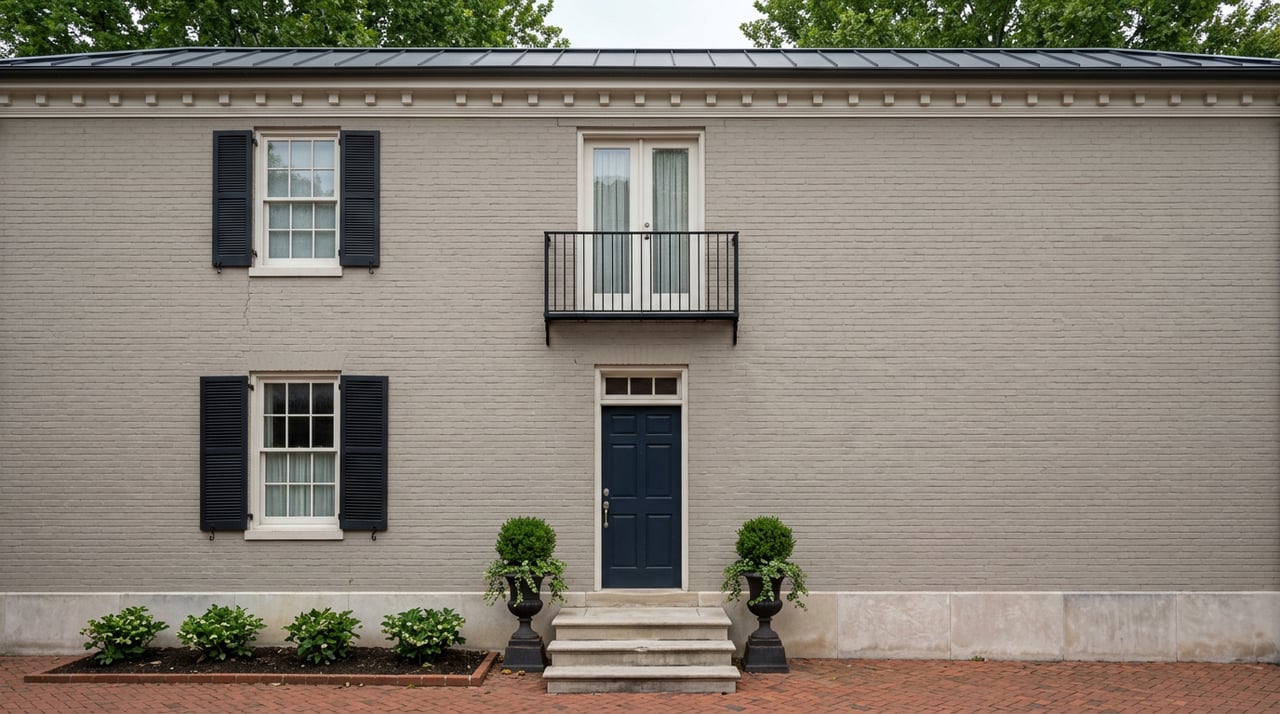
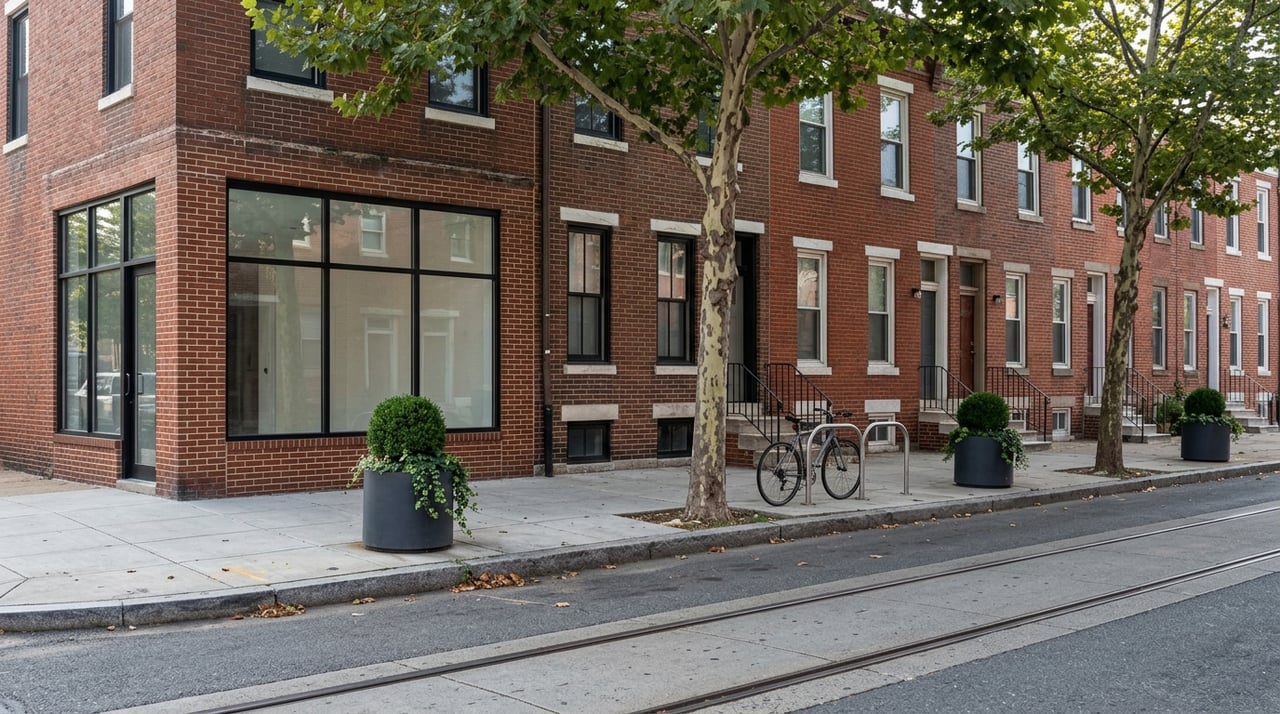
The city’s design framework emphasizes brick sidewalks, limited curb cuts, simple street furniture, and a preserved human-scale streetscape. Instead of a suburban pattern, downtown feels tightly knit, with residential, commercial, mixed-use, and waterfront-maritime blocks interspersed throughout the historic district.
If you like stepping outside and being in the middle of shops, dining, and activity, downtown may feel more natural to you. It is a place where public life is part of everyday life.
Housing patterns differ block by block
One of the biggest differences between Eastport and downtown is how housing fits into the surrounding environment. In Eastport, the housing pattern is uneven in a way many people find appealing, because it reflects the area’s historic growth and maritime identity.
The city’s zoning framework treats the waterfront as a distinct maritime-residential zone in parts of Eastport. The Waterfront Maritime EastPort district is intended to pair maritime uses with single-family residences where lot patterns limit heavier industrial activity.
Downtown housing is integrated more tightly into the historic district’s mixed-use fabric. That means homes may sit close to retail, restaurants, civic buildings, and waterfront activity, often within a more formal historic streetscape.
Waterfront living is central in both
Both Eastport and downtown Annapolis are deeply tied to the water. If being near marinas, boats, harbor views, and shoreline access matters to you, both neighborhoods deliver that in meaningful ways.
The city’s harbor system includes public and private moorings, 1,700 feet of bulkhead, 20 slips at City Dock, more than 17 miles of shoreline, and street-end landings. The city also estimates Annapolis has about 2,387 marina slips and about 1,000 private slips, which shows how normal boating is to everyday life here.
That said, the water shows up differently in each neighborhood. Downtown offers a more public-facing harbor experience, while Eastport often feels more embedded in the working and residential life of the waterfront.
Downtown waterfront experience
Downtown’s waterfront is centered on City Dock and the harbor basin. Visit Annapolis describes City Dock as a place to sit with coffee, look over the harbor, and watch boats move through the basin, and it also hosts major city events and boat-related spectacles.
That gives downtown a week-to-week rhythm shaped by visitors, dining, sightseeing, and public events. You may find that the waterfront is part of your routine, but it often comes with more visible activity and energy.
Eastport waterfront experience
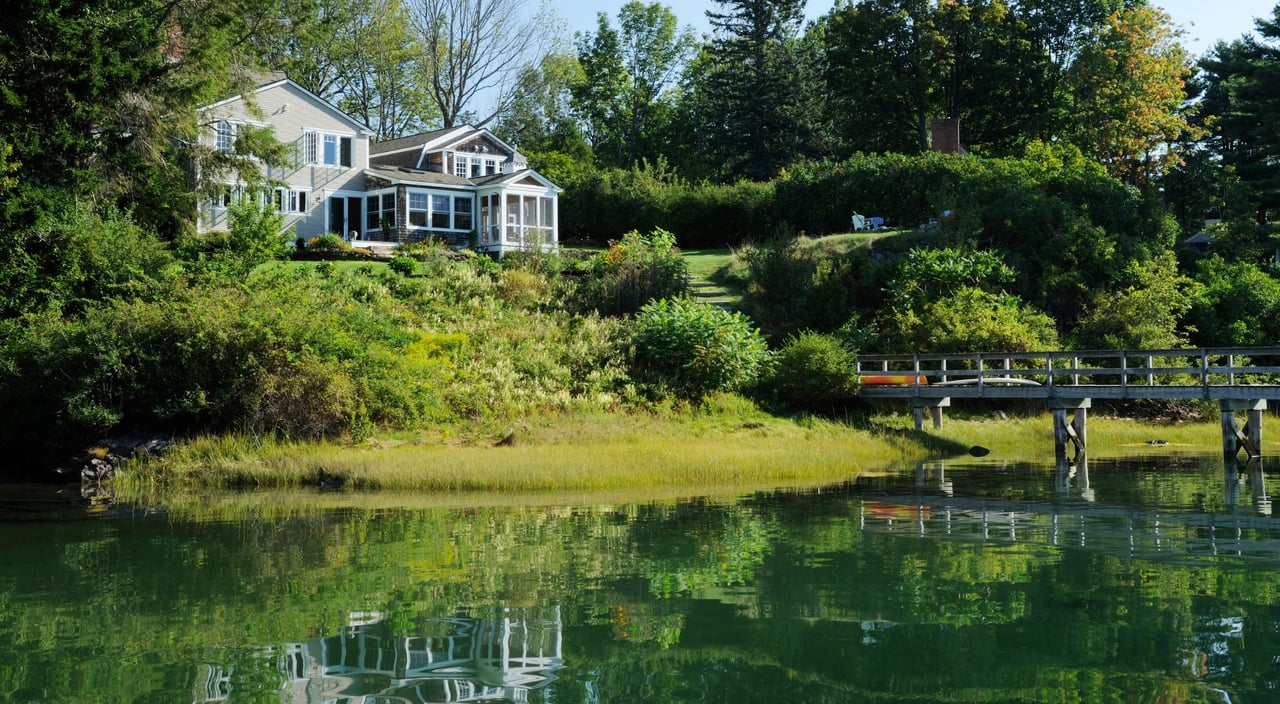
In Eastport, water access tends to feel more woven into neighborhood life. The Eastport Civic Association notes that residents commonly walk or bike to nearby dining spots, go boating or fishing, and explore the creeks by kayak or paddleboard.
The city’s business district profile also describes Eastport as Annapolis’s maritime heart and soul, with a retail and office village center on Fourth Street and marine services, boatyards, and sailing-related businesses nearby. For many people, that makes Eastport feel like a place where the water is not just scenery. It is part of the weekly routine.
Getting around feels different
Mobility is another major difference between the two areas. Even though Eastport and downtown sit close together, daily movement can feel very different depending on which side of Spa Creek you call home.
Downtown Annapolis relies more on a structured parking system in the historic district. The city uses premium parking in downtown and free trolley loops connecting garages to Main Street, City Dock, Maryland Avenue, and State Circle.
Eastport is less garage-centered and more dependent on neighborhood streets, bridge crossings, and local access patterns. That can create a more neighborhood-scaled experience, but it also means your routines may depend more on the immediate street network.
Downtown is more walk-first
If you want a walk-first lifestyle, downtown may have the edge. Visit Annapolis describes Main Street as a natural place to start the day on foot, with shopping and dining nearby and City Dock close at hand.
Because so much is concentrated in a compact area, daily errands and outings can feel simple and spontaneous. You are often moving through a pedestrian core designed around human scale rather than wide roadways or larger residential lots.
Eastport is more local-route oriented
Eastport can still be very walkable in day-to-day life, especially for nearby dining and waterfront activity, but the experience is different. Instead of a garage-and-trolley system, Eastport is shaped more by local streets, bridge crossings, and event-related access controls.
For some buyers, that feels more relaxed and residential. For others, downtown’s more centralized access pattern may feel easier.
Flooding is part of the conversation
When comparing Eastport and downtown, it is important to understand that both neighborhoods include low-lying ground. The city says nuisance flooding is most common from March through September.
The city also identifies downtown City Dock and Compromise Street in Eastport among the lowest-lying parts of Annapolis. If you are considering a move to either area, this is one of the practical topics worth reviewing carefully as part of your home search.
Flood conditions do not define the lifestyle in either neighborhood, but they do shape daily planning, access, and long-term property considerations. A neighborhood comparison in Annapolis should always include this reality.
What a typical week can feel like
If you picture your life in Eastport, your week may feel more neighborhood-based and maritime. You might walk or bike to a nearby spot, spend time near marinas or creeks, and feel connected to a residential setting where water-oriented businesses are part of the backdrop.
If you picture your life downtown, your week may feel more pedestrian, compact, and event-driven. You may spend more time moving through public spaces, historic streets, dining areas, and a harborfront environment that regularly draws visitors.
Neither choice is better across the board. The better fit depends on whether you want a more residential maritime setting or a more central, historic, and public-facing one.
Which Annapolis lifestyle may suit you
Eastport may suit you if you want:
- A more residential setting
- A neighborhood feel tied closely to marinas and marine activity
- Daily life that feels local and water-oriented
- Street patterns and housing styles that vary by block
Historic downtown Annapolis may suit you if you want:
- A compact, walk-first environment
- Easy access to shops, cafes, and public waterfront spaces
- A historic streetscape with mixed uses close together
- A daily rhythm shaped by dining, errands, and city events
Choosing with confidence
When you are deciding between Eastport and historic downtown Annapolis, the smartest move is to compare more than home prices or square footage. You also want to think about mobility, noise levels, waterfront access, street patterns, and what you want an ordinary Tuesday to feel like.
That is where local guidance matters. A close neighborhood comparison can help you narrow your search, ask better questions, and focus on the parts of Annapolis that truly match how you want to live.
If you are weighing Eastport against downtown Annapolis, Omnia Real Estate can help you compare the day-to-day lifestyle, housing options, and neighborhood patterns with clear, personalized guidance.
FAQs
What is the main lifestyle difference between Eastport and historic downtown Annapolis?
- Eastport generally feels more residential and maritime, while historic downtown Annapolis feels more compact, pedestrian-focused, and shaped by public activity around Main Street and City Dock.
Is Eastport or downtown Annapolis better for walking to restaurants and shops?
- Downtown Annapolis is more walk-first overall because shops, dining, and public spaces are concentrated in a compact historic core, while Eastport offers local walkability with a more neighborhood-based feel.
Does Eastport Annapolis have a stronger boating culture than downtown?
- Both areas are strongly connected to the water, but Eastport often feels more tied to everyday boating, marine services, and working-waterfront activity.
Are Eastport and downtown Annapolis both affected by flooding?
- Yes. The city identifies both downtown City Dock and parts of Eastport, including Compromise Street, as low-lying areas where nuisance flooding can be a practical consideration.
How is parking and access different in downtown Annapolis versus Eastport?
- Downtown Annapolis uses premium parking and free trolley loops tied to garages, while Eastport depends more on neighborhood streets, bridge crossings, and local access patterns.
Is Eastport or historic downtown Annapolis more residential?
- Eastport is generally the more residential choice, while downtown Annapolis has a denser mix of residential, commercial, mixed-use, and waterfront activity.