Trying to choose between a townhome and a condo in Old Town Alexandria? At first glance, it can feel like a lifestyle question about space, charm, or convenience. In reality, the better question is often about rules, maintenance, parking, and what kind of control you want over the property. If you understand those layers before you buy, you can make a much more confident decision. Let’s dive in.
Why Old Town changes the question
In many neighborhoods, buyers start with layout and price. In Old Town Alexandria, you also need to think about the local historic-district framework and how it affects ownership.
The City of Alexandria regulates the Old & Historic Alexandria local historic district through the Board of Architectural Review, often called BAR. A Certificate of Appropriateness is required for new construction and for exterior alterations visible from a public way, although some work that is not visible from a public right-of-way may be exempt.
That matters because your day-to-day ownership experience may be shaped as much by approvals and maintenance rules as by square footage. In Old Town, the property type is important, but the rulebook attached to it is often even more important.
Condo vs. townhome basics
A condo and a townhome can both work well in Old Town, but they usually offer different balances of responsibility and flexibility. The best fit depends on how involved you want to be with upkeep, what kind of outdoor or parking setup you want, and how comfortable you are reviewing governing documents closely.
What condo ownership usually means
Under Virginia’s Condominium Act, the association generally handles the common elements unless the condominium instruments say otherwise. Common expenses can include reserves for capital components, which helps explain why condo fees often cover a broader share of shared-building upkeep.
As a condo owner, you are usually responsible for your unit itself. Virginia law also allows a unit owner to make improvements or alterations within the unit as long as the work does not impair structural integrity and does not violate the condominium instruments.
There is another layer to know here: limited common elements. Virginia defines these as parts of the common elements reserved for the exclusive use of fewer than all units, which means a space that feels private may still be governed by the association.
What townhome ownership usually means
A townhome can feel more like traditional homeownership, but that does not always mean fewer rules. If the home is part of a property owners’ association, the declaration can assign maintenance responsibilities for common areas and require mandatory payments tied to maintenance or services.
Under Virginia’s Property Owners’ Association Act, boards may also levy additional assessments for common-area upkeep and capital components. So even if a townhome gives you more direct control over your home, the actual responsibilities can vary a lot depending on the specific HOA documents.
The biggest practical difference: maintenance
When buyers compare a condo and a townhome in Old Town, maintenance is often the real dividing line. The property label alone does not tell you enough.
With a condo, more of the building’s shared upkeep is often bundled into the monthly fee. With a townhome, owner responsibility can vary much more widely based on the declaration and HOA rules.
That means two homes with similar prices may come with very different ongoing obligations. One may give you a simpler maintenance routine, while the other may give you more autonomy but more direct responsibility.
Questions to ask about maintenance
Before you commit to either option, it helps to ask:
- What exactly is covered by the monthly fee?
- What is owner-maintained versus association-maintained?
- Are reserves part of the common expenses?
- Are there any additional assessments for shared upkeep or capital projects?
- Does any area that feels private count as a limited common element?
These questions can help you compare homes more accurately than simply asking whether one is a condo or a townhome.
Exterior changes can be easier to imagine than to approve
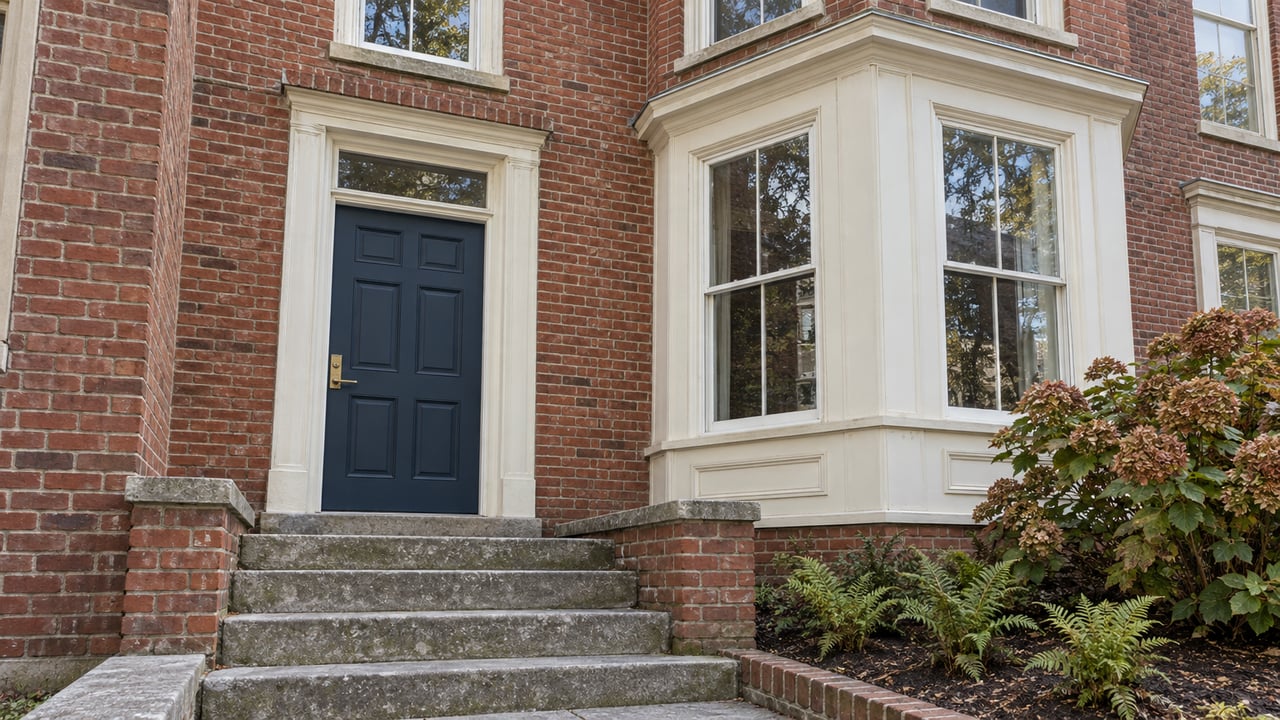
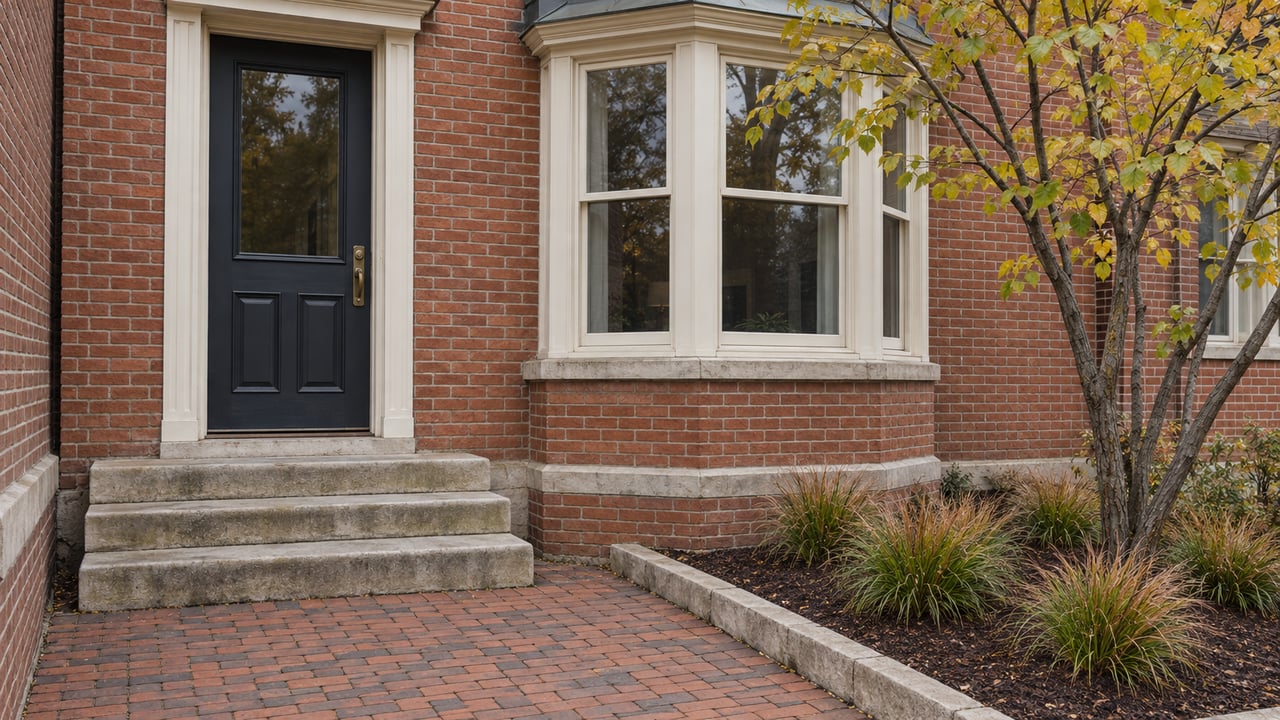
Old Town’s historic-district rules are especially important if you are drawn to a classic townhouse with outdoor space or future improvement ideas. The city’s guidance addresses features such as windows, doors, fences, walls, and parking structures.
That means exterior changes are not simply a matter of personal preference. If the work is visible from a public way, it may require review and approval.
For townhouse buyers, this can come up quickly. You may love the idea of changing a front door, updating windows, adjusting a fence, or improving a parking setup, but those plans may involve BAR review depending on the project.
Condo buyers are not automatically free from this issue either. Interior changes may be more straightforward if they stay within the unit and comply with the condominium instruments, but the building exterior and common elements are usually a different story.
Parking may shape your decision more than floor plan
In Old Town, parking is not a small detail. It can be one of the most important quality-of-life factors in your purchase.
The City of Alexandria says Old Town on-street parking includes metered spaces and free spaces with posted time limits. Meter feeding is prohibited, many garages and lots are located in the Historic District, and no vehicle may park in the same public-street space for more than 72 consecutive hours.
The city also notes that some residential blocks charge a higher rate for vehicles without a district parking permit or guest permit. For many buyers, that makes the parking arrangement almost as important as the home itself.
Why parking differs between condos and townhomes
A condo may come with a defined parking setup, but not always. A townhome may offer more of a traditional ownership feel, yet street parking or future parking improvements can still bring city rules and approvals into the picture.
If you expect to rely on street parking, the permit system matters. The City of Alexandria says new residents should register with the city within 30 days of moving in and purchase and display a residential parking permit if applicable.
Parking questions worth asking
Before buying, make sure you understand:
- Whether parking is deeded, assigned, shared, or street-based
- Whether a space is part of the unit, a common element, or a limited common element
- Whether guest parking is available
- Whether the block requires a district parking permit
- Whether any future parking changes would need city review
Outdoor space comes with a rulebook
Outdoor space can be one of the biggest reasons buyers lean toward a townhome. A patio, courtyard, small yard, or space for bikes and storage can feel like a major upgrade over condo living.
In Old Town, though, outdoor space often comes with approval complexity. BAR guidance covers fences, gates, garden walls, retaining walls, windows, and doors, and the city’s zoning guidance says BAR approval is required for parking structures in the historic districts.
So if your dream includes changing a wall, replacing a gate, or creating a different parking arrangement, you need to think beyond the lot lines. The review process may be part of the ownership experience.
The resale certificate is one of your best tools
If there is one document set that can save you from surprises, it is the association paperwork. In Virginia, the resale certificate must include governing documents and rules, assessment amounts and payment schedules, unpaid assessments, other fees due from the owner, and disclosures about known violations involving the unit or its limited elements.
If a property is subject to more than one common interest community, each association may need to provide a resale certificate. That is a key reminder that the real obligations often live in the documents, not in the listing description.
What to review carefully
As you compare options, pay close attention to:
- Monthly fees and what they cover
- Any unpaid assessments or additional fees
- Maintenance responsibilities
- Rules affecting exterior or limited common elements
- Known violations tied to the property
- Whether planned exterior work already has BAR approval
This is where a careful, contract-aware review can make a big difference.
So, should you buy a townhome or a condo?
If you want a simpler ownership structure with more shared upkeep handled through the association, a condo may feel like the better fit. If you want a more traditional ownership experience and potentially more direct control, a townhome may appeal more.
In Old Town, though, the answer is rarely as simple as property type alone. The better choice usually comes down to your preferred balance of autonomy, maintenance responsibility, parking certainty, and approval complexity.
A smart decision starts with the exact documents, the fee structure, the parking arrangement, and a realistic look at any changes you hope to make after closing. That is where clarity replaces guesswork.
If you are weighing a condo against a townhome in Old Town Alexandria, personalized guidance can help you compare the real trade-offs behind each option. Omnia Real Estate offers thoughtful, contract-aware support to help you evaluate the details and move forward with confidence.
FAQs
What is the biggest difference between a condo and a townhome in Old Town Alexandria?
- The biggest difference is usually the mix of maintenance responsibility, association control, parking setup, and approval complexity rather than the home style alone.
Do exterior changes in Old Town Alexandria need city approval?
- In the Old & Historic Alexandria district, new construction and exterior alterations visible from a public way require a Certificate of Appropriateness, while some work not visible from a public right-of-way may be exempt.
Can you make interior changes to a condo in Virginia?
- Yes, a condo owner may make improvements or alterations within the unit as long as the work does not impair structural integrity and does not violate the condominium instruments.
What should you check in a Virginia resale certificate for a condo or townhome?
- You should review the governing documents, rules, assessment amounts, payment schedules, unpaid assessments, other fees due, and any known violations involving the unit or limited elements.
Why is parking such a big issue in Old Town Alexandria?
- Parking is tightly managed by the city, with meters, time limits, permit-related rules on some residential blocks, and a rule that no vehicle may stay in the same public-street space for more than 72 consecutive hours.
Does a townhome in Old Town Alexandria always mean fewer rules than a condo?
- No, a townhome may still be subject to HOA rules, assessments, maintenance obligations, and historic-district review for certain exterior changes.