You want an urban DC neighborhood with energy, great food, and an easy commute. If you are torn between Logan Circle and the H Street Corridor, you are not alone. Both offer walkable streets, solid transit, and strong housing demand, but the day-to-day feel and long-term dynamics are different. In this guide, you will get a clear, side-by-side look at housing, prices, transit, nightlife, and value so you can choose with confidence. Let’s dive in.
Quick snapshot: what differs
Neighborhood feel
- Logan Circle: Historic residential core with a central park and a curated 14th Street dining scene a short walk away.
- H Street Corridor: Arts and entertainment strip with more late-night activity and frequent events.
Housing
- Logan Circle: Restored rowhouses, condo conversions, and boutique mid-rise buildings.
- H Street: Historic rowhouses plus larger, newer condo and apartment buildings.
Price snapshot
- Logan Circle: Redfin median sale price about $725,000 (Jan 2026); median price per square foot about $636/ft².
- H Street–NoMa: Redfin median sale price about $775,000 (Dec 2025); median about $419/ft².
- Note: Zillow’s Logan Circle index reads lower, about $569,000 through Jan 31, 2026, due to different boundaries and methodology.
Transit
- Logan Circle: Multiple Metro lines within a short walk through nearby stations; strong bus and Circulator coverage.
- H Street: Direct DC Streetcar connection, quick access to the Red Line at Union Station and NoMa-Gallaudet U.
Neighborhood feel and boundaries
Logan Circle in context
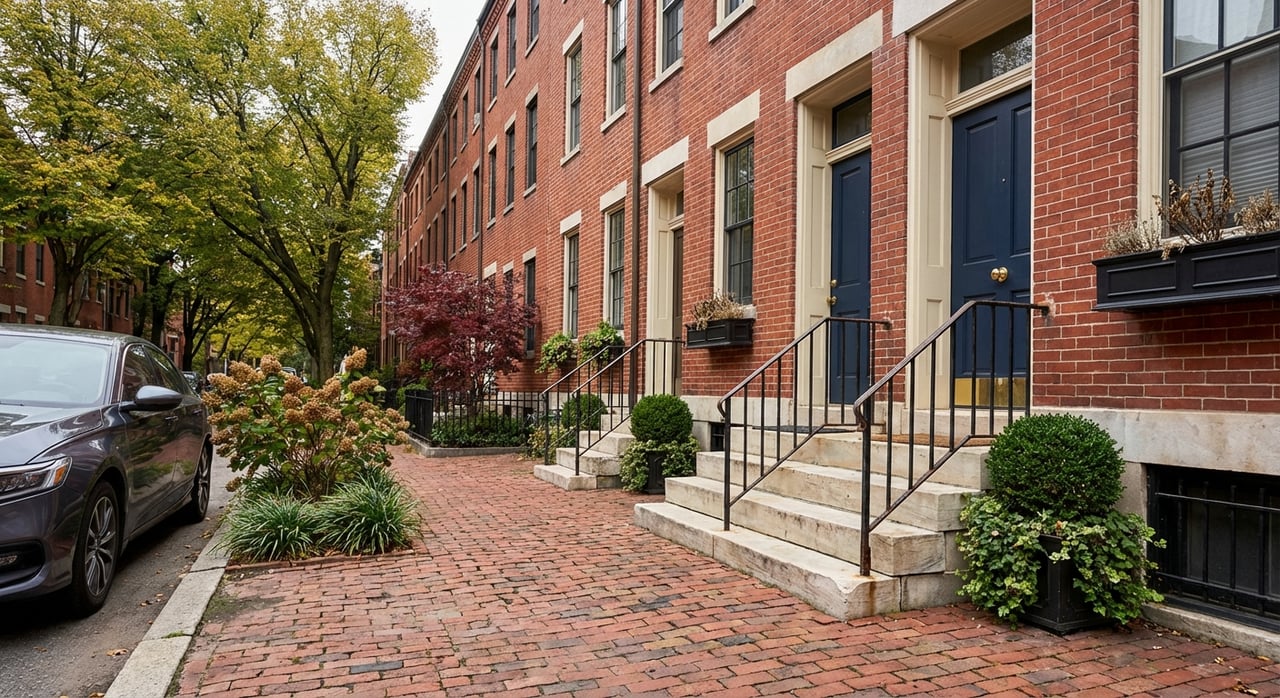
Centered on the historic traffic circle near 13th and P Streets NW and Rhode Island Ave NW, Logan Circle blends a leafy residential core with nearby restaurants, galleries, and shops. The restored Victorian rowhouses and pocket parks create a calmer feel on the immediate circle, with livelier blocks along 14th Street just a short walk away. For local events and neighborhood context, the Logan Circle Community Association is a helpful resource.
H Street Corridor and the Atlas District
Running east along H Street NE from roughly 2nd–4th Street toward 14th Street NE, the corridor is known for live music, bars, and the Atlas Performing Arts Center. You will see a mix of century-old rowhouses, converted industrial spaces, and larger new multifamily projects that add residents and foot traffic. The brand and boundaries often appear as the Atlas District or H Street–NoMa, which is why housing data can shift depending on where each source draws the line.
Housing stock and what you will find
Logan Circle: Historic fabric and boutique buildings
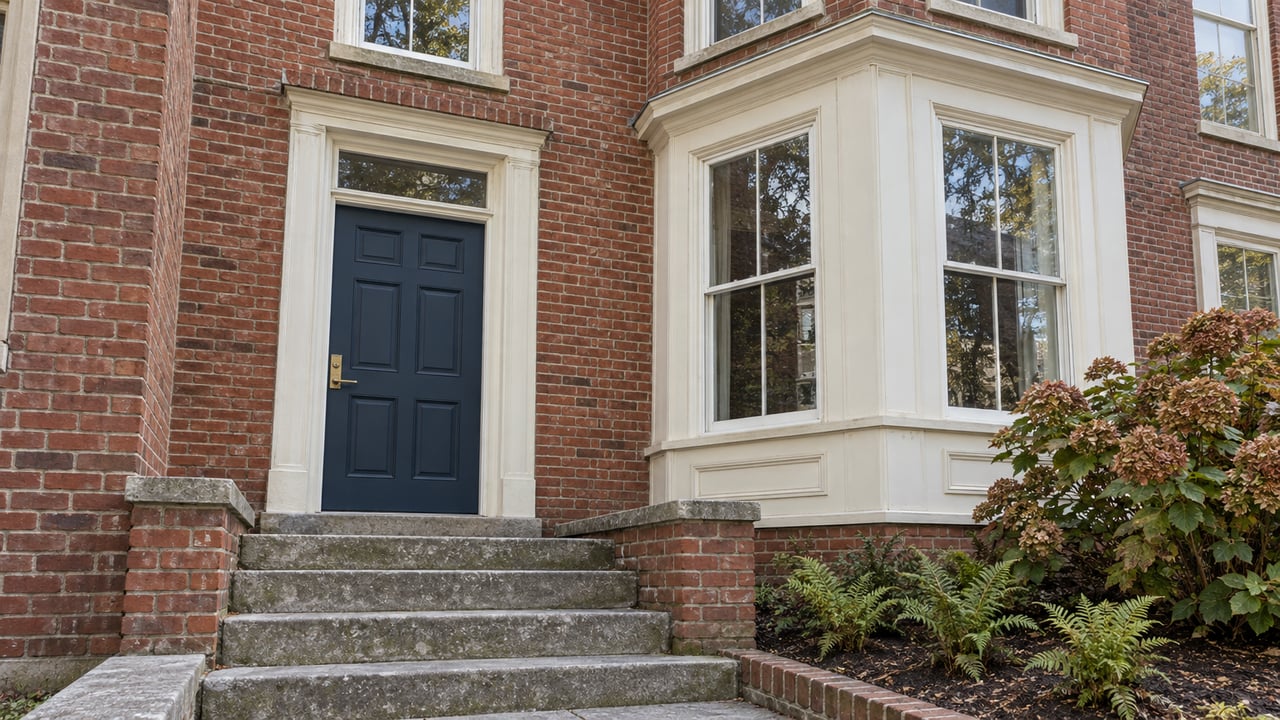
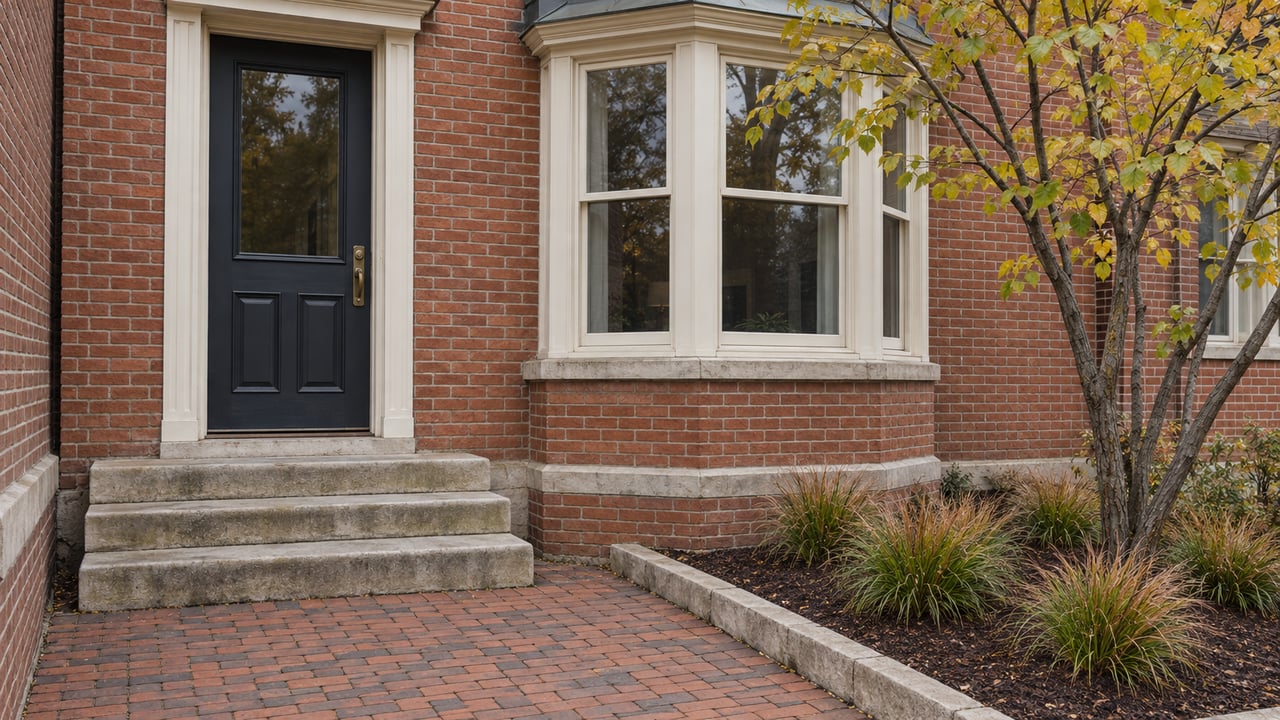
Logan Circle’s late 19th-century rowhouses, many thoughtfully renovated, are the area’s signature. You will also find small condo conversions, loft-style homes in repurposed buildings, and mid-rise condos closer to 14th Street. Buyers choose Logan Circle for historic character within walking distance of downtown offices and dining.
H Street: Newer supply and amenity buildings
H Street offers classic brick rowhouses along with a growing collection of modern condo and apartment buildings with elevators and on-site amenities. The corridor’s recent development adds more choices for buyers who value newer construction and buildings with gyms, front desks, and community spaces. The mix often includes larger units, which helps explain the lower median price per square foot seen in some datasets.
Price points and how to read the numbers
Neighborhood medians vary by source since each provider uses different boundaries and methods. As of early 2026:
- Logan Circle: Redfin reports a median sale price around $725,000 (Jan 2026) and about $636/ft².
- H Street–NoMa: Redfin shows a median sale price around $775,000 (Dec 2025) and about $419/ft².
- Alternative view: Zillow’s neighborhood index (ZHVI) for Logan Circle is about $569,000 through Jan 31, 2026, which reflects a different methodology and polygon.
What this means for you:
- Compare by product type. Separate condo and townhouse comps. A handful of higher-priced rowhouse sales can swing a monthly median, and larger new-construction condos can change the H Street–NoMa figures.
- Look at trend lines. Check 3- to 5-year charts to understand direction, not just one month’s snapshot.
- Mind the map. “Logan Circle,” “Logan Circle Historic District,” “H Street,” and “H Street–NoMa” can each pull from slightly different blocks.
Commute and transit reality
Logan Circle: Multiple lines within a walk
There is no station on the circle itself, but you are within a short walk of several Metro stops that cover the Red, Green, and Yellow lines. This gives you quick options for downtown commutes and cross-city trips. Walkability ratings are high in the area, which you can see on Walk Score’s Logan Circle page.
H Street: Red Line and Union Station connections
H Street is served by the DC Streetcar along H Street NE, and you can walk to the Red Line at Union Station or NoMa–Gallaudet U. If you rely on the Red Line, this is a clear advantage. The streetcar details and route are outlined on the H Street/Benning Road Line. Union Station also connects you to Amtrak, MARC, and VRE for regional travel.
Nightlife, noise, and the weekly rhythm
H Street’s compact entertainment spine is lively, especially on weekends and during major events like the H Street Festival. Local reporting notes that festival attendance has grown significantly over the years, underscoring the scale of the corridor’s draw for visitors. For cultural context on the corridor’s evolution, see the Washington Post’s look at H Street’s revitalization.
Logan Circle, anchored by 14th Street’s restaurants and bars, can be busy in the evenings but has many residential pockets where the pace is calmer a block or two off the main corridor. Your experience will vary by block and by time of day, so test the addresses you are considering on a weeknight and a weekend.
Safety, data, and block-by-block differences
Use primary sources when you evaluate public-safety patterns. The DC Open Data portal publishes MPD crime incident datasets that you can filter to specific blocks and recent date ranges. Start with the Crime Incidents in the Last 30 Days dataset to understand current patterns near addresses that interest you.
Recent neighborhood coverage has highlighted shifts in certain categories. For example, one local outlet reported a drop in some year-over-year figures in Logan Circle in late 2024. You can read that summary on The Wash. Always keep in mind that findings vary by block and by time of day, and single anecdotes do not describe an entire neighborhood.
Long-term value and supply dynamics
Supply helps shape value. The H Street–NoMa area has seen heavier new multifamily delivery, which can add choices for buyers and renters and sometimes soften short-term price or rent growth when there is ample inventory. For a broad look at renter trends and recent deliveries in DC, see Apartments.com’s 2025 overview.
Logan Circle’s core blocks have a more limited pipeline of large new development sites because of their historic fabric. Over time, that scarcity tends to support stronger price-per-square-foot, though the overall market cycle still matters. If long-term resale strength is a priority, review multi-year price trends and inventory levels for both areas.
Who each neighborhood tends to fit
Buyer A: Short walk, quieter evenings
- Best fit: Logan Circle
- Why: Historic homes, a central park, and dining on 14th Street within a walk, with more residential calm on many interior blocks.
Buyer B: Newer amenities, nightlife, Red Line access
- Best fit: H Street Corridor / Atlas District
- Why: Larger, newer condos, a strong entertainment spine, and quick access to the Red Line and Union Station.
Buyer C: Investor lens
- Best fit: Depends on strategy
- Why: H Street–NoMa often delivers more new units that can appeal to renters, while Logan Circle’s condos and rowhouse formats offer different hold strategies. Align product, HOA rules, and rental goals with current local regulations.
Your on-the-ground checklist
Use this list during tours to make a confident call:
- Budget and product match: Run separate comps for condos vs townhouses. Monthly medians can hide important differences.
- Commute test: Time your walk and transfer during your typical rush hour. Confirm Red Line details for Union Station and NoMa–Gallaudet U.
- Noise check: Visit two weeknights and one weekend night on the exact block. Review the DC Open Data crime incidents feed for recent patterns nearby.
- Walkability reality: Scan a third-party rating like Walk Score’s Logan Circle page and then confirm in person.
- Resale lens: Compare 3- and 5-year trend lines by neighborhood and property type. Pay attention to new-building pipelines near H Street–NoMa.
- Parking and permits: Check if the specific block uses Residential Parking Permits and how that works with your routine. For background on local parking conversations, see this Greater Greater Washington piece on Logan Circle parking. Also review your ANC’s latest guidance.
Choosing between Logan Circle and H Street comes down to how you want to live. If you want historic charm and a slightly calmer evening feel just off a great dining corridor, Logan Circle will likely click. If you want newer buildings, a lively entertainment strip, and quick Red Line and Union Station access, H Street is hard to beat. If you are between the two, a block-by-block tour will make the decision clear.
Ready to narrow it down with tailored data, private tours, and a contract-savvy plan to win the right home? Connect with Leslie Shafer for a personalized consultation.
FAQs
Which neighborhood is more affordable right now?
- It depends on property type. Recent snapshots show Logan Circle’s Redfin median around $725,000 (Jan 2026) and H Street–NoMa around $775,000 (Dec 2025), while Zillow’s Logan Circle index is lower due to different methods; compare condos and townhouses separately.
How do commute options differ between Logan Circle and H Street?
- Logan Circle puts multiple Metro lines within a short walk via nearby stations, while H Street offers direct streetcar service and faster Red Line and Union Station access for regional rail.
What housing types are most common in each area?
- Logan Circle features historic rowhouses and boutique condos, while H Street has a mix of rowhouses and larger, newer condo and apartment buildings with more on-site amenities.
How lively or noisy are evenings on H Street vs Logan Circle?
- H Street’s entertainment corridor is busier late at night and on festival days, while Logan Circle’s core blocks are more residential with activity focused along 14th Street; always visit at your typical evening hours.
How should I evaluate safety on specific blocks?
- Use the DC Open Data MPD incident datasets for recent, block-level checks and pair that with in-person visits at different times; patterns vary by address and day.