Buying your first condo on H Street can feel exciting and a little tricky at the same time. You may love the energy of the corridor and the idea of owning in one of DC’s mixed-use urban neighborhoods, but condo buying comes with a second layer of due diligence beyond the unit itself. In this guide, you’ll learn how to think about H Street Corridor condos like a careful buyer, from monthly costs to condo documents to building-level financing risks. Let’s dive in.
Why H Street condos look different
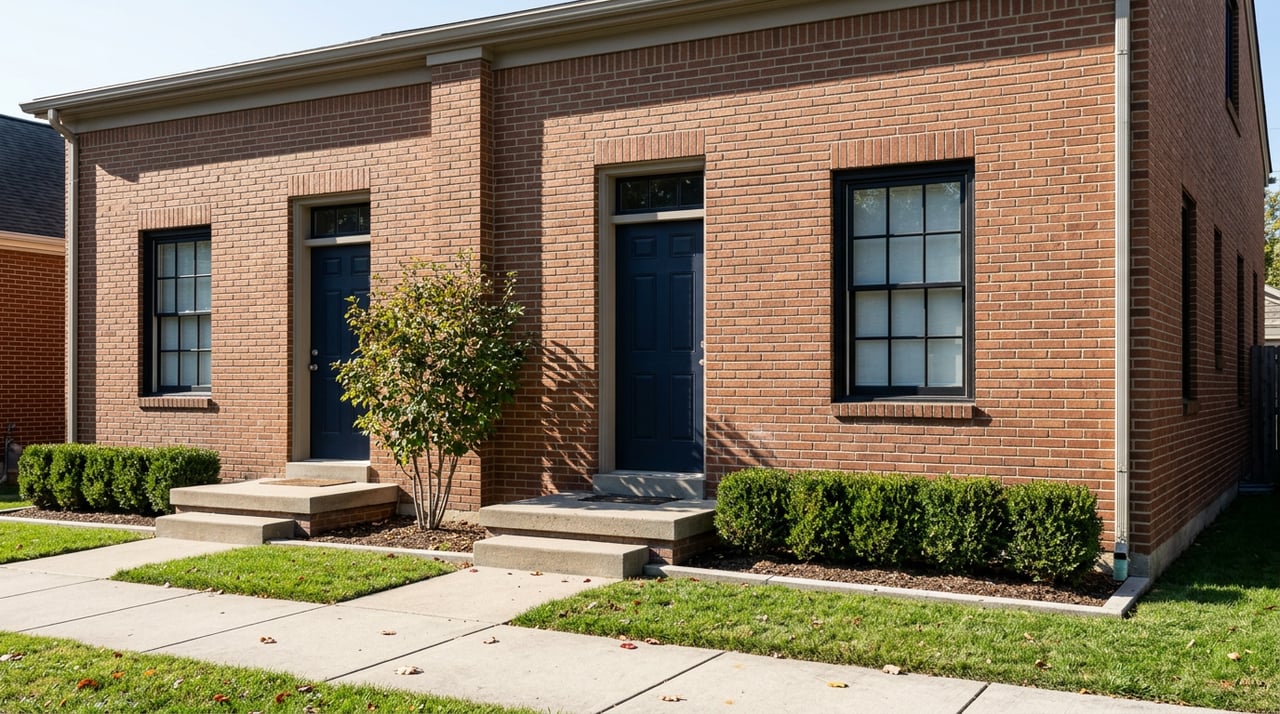
H Street NE is not a one-style condo market. DC planning materials describe the corridor as a traditional mixed-use Main Street area with older storefronts, new construction, and reused existing buildings.
For you as a first-time buyer, that often means you may see several condo formats in one search. That can include small condo buildings, mixed-use storefront-over-residential properties, façade-retention projects, and converted or infill homes rather than one uniform high-rise product.
Nearby blocks are also shaped by lower-rise development patterns. Official zoning guidance notes that the commercial strip is largely made up of 2- and 3-story structures, with surrounding blocks featuring mostly 2- and 3-story rowhouses and flats.
That matters because condo living on H Street is often building-specific. Two units with similar square footage can come with very different fees, documents, reserve strength, and financing options depending on how the association is run.
Focus on the building, not just the unit
One of the biggest first-time buyer mistakes is falling in love with finishes and stopping there. With condos, lenders and future buyers often care as much about the project as the individual home.
Fannie Mae guidance notes that condo projects can become ineligible for financing because of issues such as litigation, critical repairs, single-entity ownership, or termination and insolvency concerns. HUD’s FHA condo review materials also call for records like budgets, financial statements, insurance information, reserve documentation, and details on special assessments or project loans.
In plain terms, a stylish condo in a great location can still become harder to finance or resell if the building has weak reserves or unresolved building-wide problems. On H Street, where the housing stock can vary from small conversions to newer projects, that building-level review is especially important.
Budget for the real monthly payment
Your mortgage payment is only part of the story. Condo ownership usually includes separate association dues, and those dues need to be part of your monthly budget from day one.
According to the CFPB, condo or HOA fees are usually paid separately from the mortgage and can range from a few hundred dollars to more than $1,000 per month. Those fees should be considered alongside taxes, insurance, and maintenance when you calculate what you can comfortably afford.
Some first-time buyers see a lower purchase price and assume the condo is the cheaper option. But if monthly dues are high, the total payment may feel very different than expected.
A simple way to think about your monthly housing cost is:
- Principal and interest
- Property taxes
- Unit-level insurance
- Condo or HOA dues
- Utilities not covered by the association
- Ongoing maintenance and savings cushion
In many condo buildings, association dues may include master insurance for common areas. Even so, you still need your own unit-level insurance policy.
Watch for special assessments
Special assessments deserve their own conversation because they can change affordability quickly. They can also affect how a lender evaluates your application.
CFPB mortgage guidance treats recurring special assessments imposed by a condo or HOA as mortgage-related obligations. A one-time assessment that is fully paid at or before closing may be handled differently.
That means you should ask very direct questions before you move forward. Try to confirm:
- Whether any special assessment exists now
- Whether it is one-time or recurring
- How long it lasts
- Whether it will be paid before closing
- Whether future major repairs are already budgeted
This is one of those details that can look small at first and become very important later. A condo that seems affordable on paper may not feel that way if a recurring assessment raises your monthly obligations.
Know DC taxes and buyer incentives
If you plan to live in the condo as your principal residence, DC offers tax benefits and buyer programs that may improve affordability. These are worth reviewing early so you can build a more accurate budget.
The DC Office of Tax and Revenue says Class 1A residential real property, including multifamily condos, is taxed at $0.85 per $100 of assessed value. For owner-occupants, the Homestead Deduction reduces assessed value by $91,950 for tax year 2026 if the property is your principal residence and an application is on file.
Qualified first-time homebuyers may also be eligible for DC’s reduced recordation tax rate of 0.725% on the deed. In addition, DHCD’s HPAP currently offers up to $202,000 in gap financing plus $4,000 in closing-cost assistance for eligible first-time buyers whose loans close after June 1, 2025.
Programs and tax treatment can make a real difference, but they work best when you plan for them early. In a competitive market, you do not want to be learning program details after you are already under contract.
Read condo documents like a risk checklist
Condo documents are not just paperwork to sign and forget. They are one of the clearest ways to understand how the building is governed, funded, and maintained.
In DC resale condo transactions, the seller must provide the condominium instruments and a certificate to the buyer on or before the 10th business day after contract signing. After you receive them, DC law gives you a 3-business-day cancellation right.
The required certificate must include important information such as approved capital expenditures, reserve balances, the current operating budget, the most recent financial statement, pending suits or judgments, insurance coverage, whether prior alterations comply with the condominium instruments, and the remaining term of any leasehold estate. If the documents are not delivered on time, you can cancel before conveyance.
For a first-time buyer, that timeline is a major protection. It gives you a short but meaningful window to understand what you are really buying beyond the walls of the unit.
Key condo documents to review
When you review a resale condo on H Street, make sure your due diligence includes:
- Declaration and bylaws
- Current association budget
- Reserve discussion or reserve study
- Most recent financial statements
- Insurance summary
- Pending litigation information
- Any current or planned special assessments
- Any leasehold term
- Rules affecting use of the unit or common elements
This review can tell you whether the building appears well-managed, financially stable, and compatible with how you plan to live in the home.
Ask about use and sale restrictions
Rules can affect your ownership experience in practical ways. For example, they may address common element use, alteration approvals, fees, and other day-to-day issues.
You should also ask whether the condo has any right of first refusal or other sale restrictions. Under DC law, those restraints are ineffective unless a prompt recordable waiver statement is available, which is an important detail to understand before closing.
Understand your rights as a condo owner
Buying a condo also means joining an association structure. That is not necessarily a negative, but you should know what rights and responsibilities come with it.
DC’s condominium bill of rights says unit owners have the right to attend and participate in association meetings, observe meetings and inspect minutes, comment at regular meetings, vote in proportion to their interest, and expect fiduciary care from the board. At the same time, associations may adopt rules and budgets, collect assessments, regulate common elements, and charge reasonable fees for resale statements or unpaid-assessment statements.
This balance matters because it shapes how transparent and responsive a building may be over time. If you are buying into a small H Street condo association, governance can have a very direct impact on your ownership experience.
Think carefully about transit and resale
Transit access still matters on H Street, but it is important to use current facts. As of March 31, 2026, DDOT says DC Streetcar service on H Street has ended, with Metrobus alternatives including the D20 route.
That does not erase the corridor’s appeal. It does mean you should evaluate convenience and resale based on today’s transportation picture rather than outdated assumptions about a current streetcar amenity.
On H Street, resale potential is often tied to a mix of location and building quality. Walkability and mixed-use surroundings may help support demand, but fee levels, reserve health, insurance, special assessments, and lender eligibility often drive the real risk profile.
A smart first-time buyer strategy
If you are buying your first condo on H Street, your goal is not just to win a contract. Your goal is to choose a home and a building that still make sense months and years after closing.
A practical strategy looks like this:
- Set your full monthly budget, including dues and insurance.
- Review tax benefits and first-time buyer assistance early.
- Evaluate the building’s finances, reserves, and any special assessments.
- Read condo documents closely during your review window.
- Confirm the project is likely to clear common lender scrutiny.
- Make sure the rules fit how you plan to use the home.
That kind of disciplined review is especially valuable in a corridor like H Street, where the building mix can be varied and the lifestyle appeal is strong. Excitement should absolutely be part of the process, but it should be matched by careful document and budget review.
Buying your first condo is a big milestone, and the right guidance can make it feel far more manageable. If you want help evaluating H Street Corridor condos with a sharp eye on costs, documents, and contract risk, schedule a personalized consultation with Omnia Real Estate.
FAQs
What makes H Street Corridor condos different from other DC condos?
- H Street condos often sit in a mixed-use corridor with older storefronts, new construction, reused buildings, and smaller-scale projects, so building type, fees, and financing considerations can vary widely from one property to the next.
What costs should first-time buyers budget for in an H Street condo purchase?
- You should budget for principal and interest, property taxes, unit-level insurance, condo dues, utilities not covered by the association, and a maintenance cushion, since dues are usually separate from the mortgage payment.
What condo documents should buyers review for a DC resale condo?
- You should review the declaration and bylaws, association budget, reserve discussion or reserve study, recent financial statements, insurance summary, pending litigation, special assessments, leasehold information, and rules affecting use of the unit or common elements.
What is the DC resale condo document review timeline for buyers?
- In a DC resale condo transaction, the seller must provide the condominium instruments and certificate by the 10th business day after contract signing, and you then have a 3-business-day cancellation right after receiving them.
What are special assessments in a condo building?
- Special assessments are extra charges imposed by the condo association, and they can be one-time or recurring, so you should ask how much they are, how long they last, and whether they affect your monthly obligations.
Are there first-time buyer incentives for DC condo buyers?
- Yes. Eligible buyers may benefit from DC’s reduced recordation tax rate for qualified first-time homebuyers, the Homestead Deduction for owner-occupants, and HPAP assistance for eligible purchasers.
Does H Street still have DC Streetcar service?
- No. DDOT says DC Streetcar service on H Street ended as of March 31, 2026, and Metrobus alternatives including the D20 route are available.
Why do condo association finances matter for resale?
- Association finances matter because weak reserves, litigation, critical repairs, or other project-level issues can affect financing options today and marketability when you decide to sell later.