Are Arlington rentals in Baltimore a hidden value play, or a budget trap with expensive surprises? If you are looking at this Northwest Baltimore neighborhood as an investor, both possibilities can be true depending on the property, your rehab plan, and how carefully you underwrite the deal. This guide walks you through what to evaluate before you buy, from rents and taxes to licensing, lead rules, and exit planning. Let’s dive in.
Arlington market basics
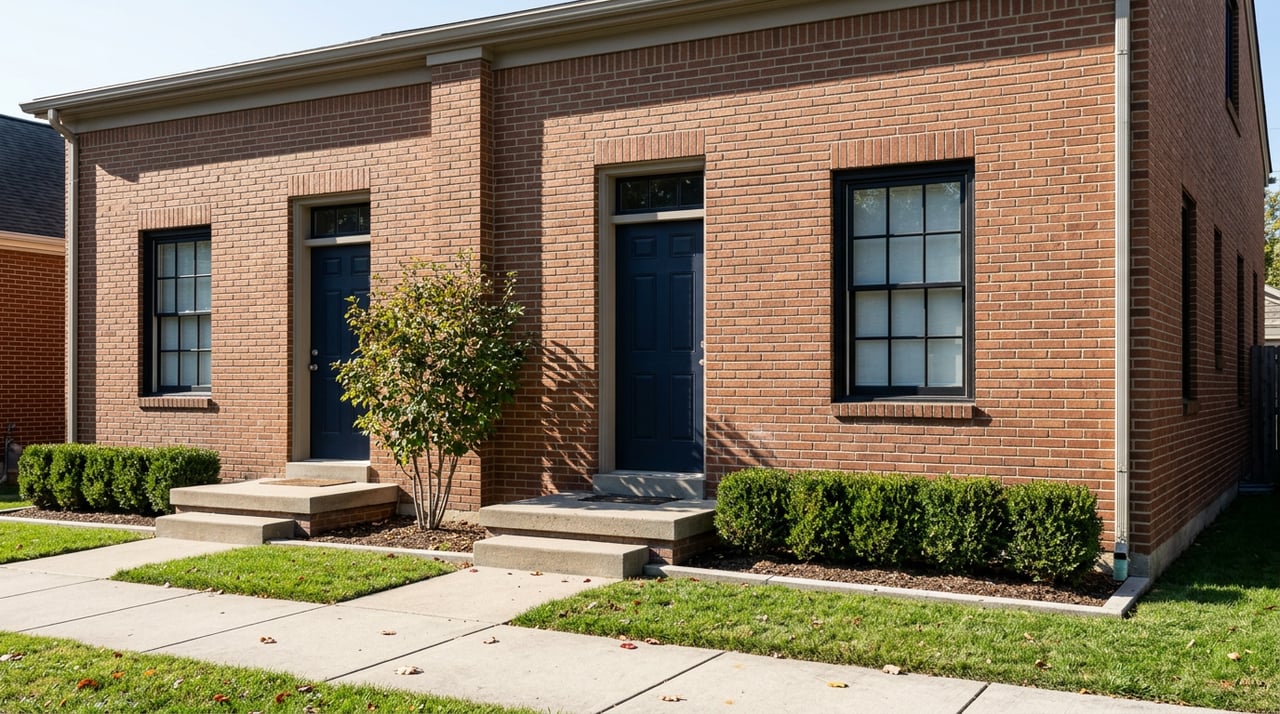
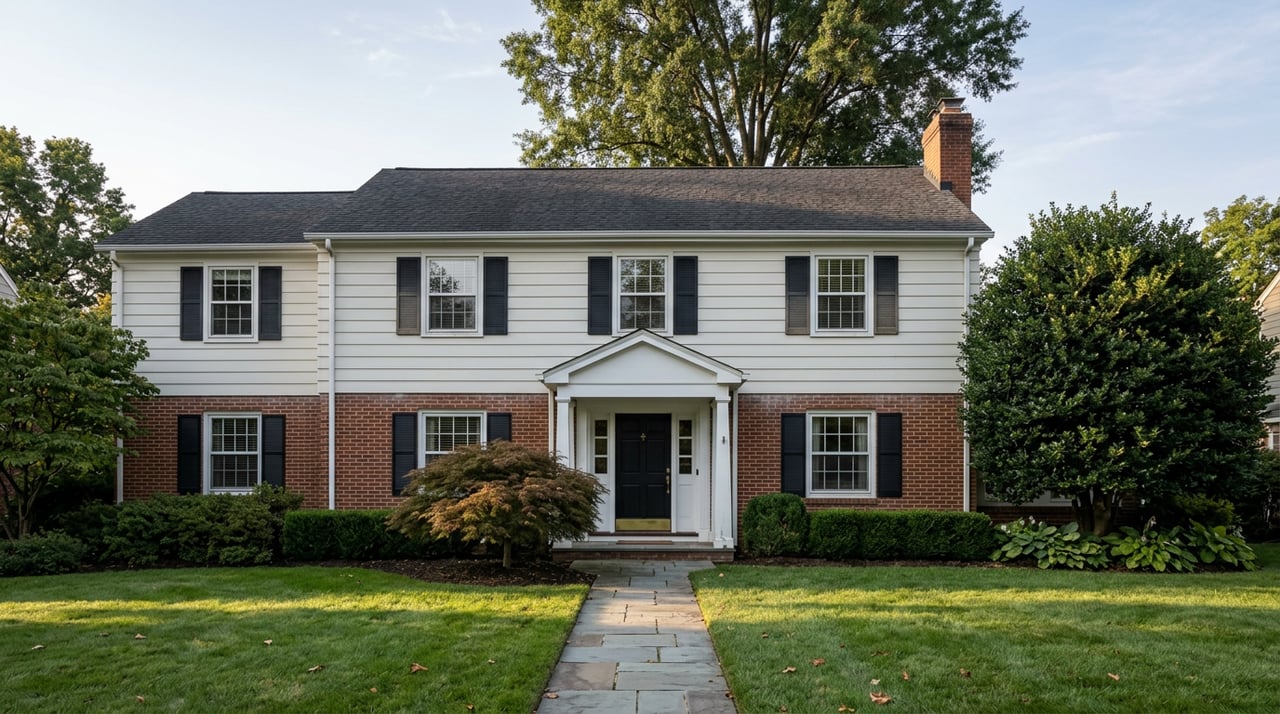
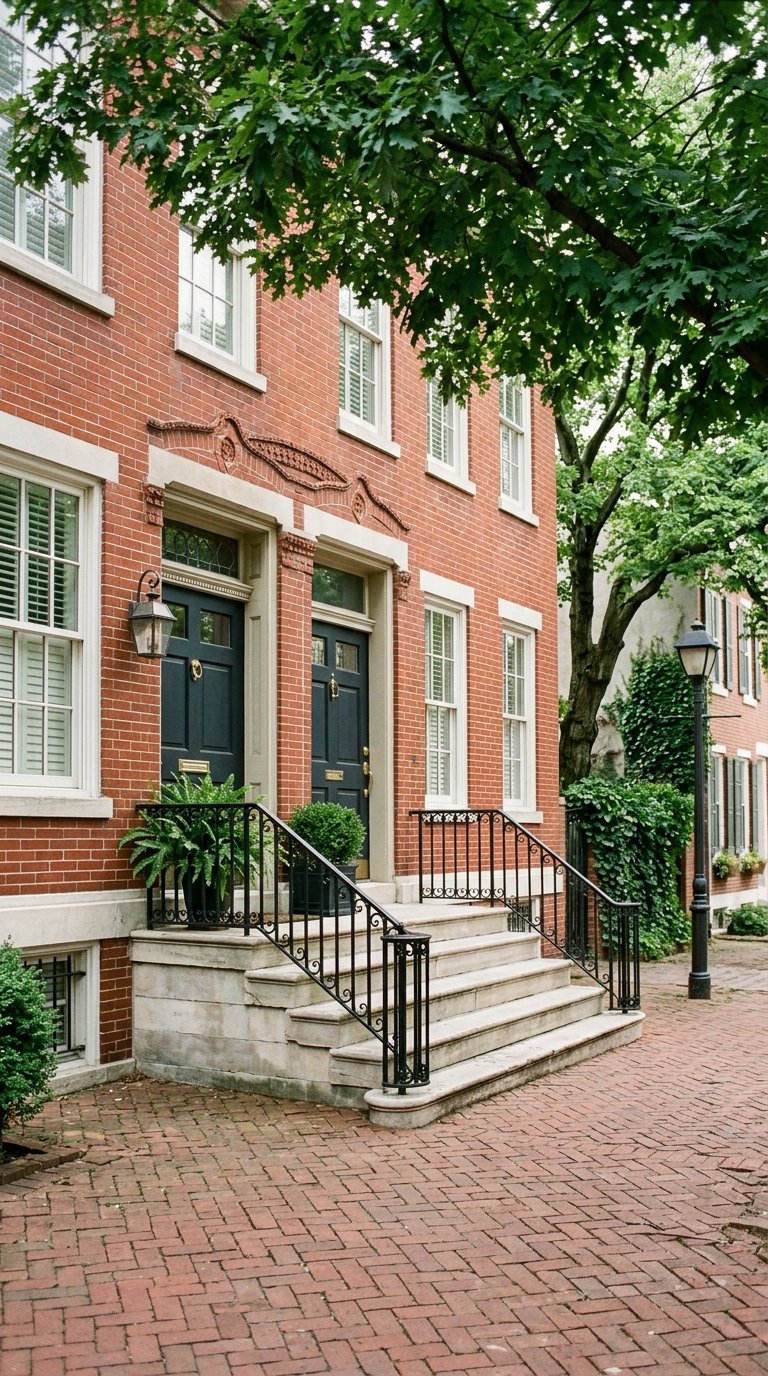
Arlington in Baltimore City is a neighborhood with a mix of rowhomes, detached homes, some duplexes, and a smaller supply of apartments or condos. That housing mix matters because it creates a range of investment options, from single-unit rentals to small multifamily properties.
The neighborhood also stands out for access. Live Baltimore reports a Walk Score of 82, a Transit Score of 73, and a Bike Score of 55, which suggests Arlington is more commuter-friendly than many lower-density parts of Baltimore.
Pricing is one reason Arlington gets investor attention. Live Baltimore’s 2025 sales report shows a median sold price of $97,000 and an average sold price of $138,507, while Realtor.com reported a March 2026 median listing price of $155,000. These are different metrics, but together they suggest a relatively low entry point.
Why Arlington draws rental investors
If you are screening Maryland submarkets for lower acquisition costs, Arlington can look appealing on paper. Lower purchase prices can create room for stronger rent-to-price ratios than you may find in many higher-cost neighborhoods.
Current rent snapshots support that interest, but they need context. Realtor.com reported a $1,000 median rent in March 2026, while HotPads showed a $772 median rent, and Apartments.com displayed asking rents from $550 for a one-bedroom townhome up to $2,500 for a five-bedroom townhome.
Those numbers show range, not certainty. Active asking rents are useful for a live snapshot, but they are not the same as a clean set of closed lease comps.
Start with realistic rent assumptions
Before you run cash flow projections, pin down the likely rent for the exact property type you plan to buy. Arlington includes different formats, and a renovated three-bedroom rowhome should not be underwritten the same way as a smaller apartment or an older unit that still needs work.
Current listings suggest one-bedroom units are around $550 to $1,124+, two-bedroom units around $1,215 to $1,250+, and three-bedroom houses or townhomes around $1,399 to $1,695+, with larger homes reaching $2,500. The key is to underwrite to the property in front of you, not the most optimistic rent you can find online.
A good rule in a neighborhood like this is to stay conservative. If the deal only works at the top of the asking-rent range, it may not work at all.
Use gross yield as a first screen only
At first glance, Arlington can produce attractive screening numbers. Using the 2025 median sold price of $97,000 and Realtor.com’s $1,000 monthly median rent, gross yield is about 12.4% before expenses.
Using HotPads’ $772 median rent instead, gross yield drops to about 9.6%. That is still enough to get an investor’s attention, but it also shows how much your results can change based on the rent assumption you choose.
Gross yield is only a starting point. It can help you decide whether to look deeper, but it should never replace full underwriting.
Baltimore City taxes change the math
Property taxes are one of the biggest line items to review in Baltimore City. The current real property tax rate is $2.248 per $100 of assessed value.
If a property is assessed roughly in line with a $97,000 purchase price, that implies about $2,181 per year in property taxes before insurance and reserves. That is a meaningful operating cost, especially on lower-rent properties.
This is why Arlington deals that seem strong at a glance can tighten up quickly. You need to model taxes early, not after you get excited about the purchase price.
Budget for the real operating costs
Older housing stock can create more maintenance and turnover costs than first-time investors expect. In Arlington, it is smart to budget for repairs, utilities where applicable, insurance, leasing costs, vacancy, and capital expenditures from day one.
Baltimore City’s rent-escrow rules add another reason to stay disciplined. The city’s tenants’ rights guidance makes clear that unresolved habitability issues can interrupt rent collection, so repair reserves are not optional.
This is where many paper deals fall apart. A low basis helps, but not if you underfund the property after closing.
Vacancy is both an opportunity and a warning
Arlington sits in a broader Baltimore context where vacancy remains an important issue. BNIA’s 2015 Pimlico/Arlington/Hilltop profile showed a 14.9% vacant and abandoned property rate, above the 13.2% citywide rate in that profile.
Baltimore City also said in 2022 that it had about 14,600 vacant and abandoned properties, with more than 92% privately owned. The city’s current Reinvest Baltimore effort aims to move at least 5,000 vacant properties into positive outcomes between fiscal years 2025 and 2029.
For you as an investor, that creates a mixed picture. Vacancy can create discounted acquisition opportunities, but it can also mean more scattered blight, stricter code sensitivity, and longer rehab timelines.
Arlington is balanced, not effortless
Realtor.com described Arlington as a balanced market in early 2026, with a median 61 days on market and a 102% sale-to-list price ratio. That suggests the neighborhood is not frozen, but it is not a market where every property sits untouched either.
Well-renovated homes may still draw attention and competition. At the same time, balanced-market conditions can give you more room to evaluate a property carefully than you might get in a tighter submarket.
That makes due diligence even more valuable. You may have enough time to inspect, verify, and underwrite properly, so use it.
Licensing is not optional
One of the most important Baltimore City realities for rental investors is licensing. The city requires rental properties to be registered, inspected, and licensed, including one- and two-family rental dwellings as well as multifamily buildings.
For properties with nine or fewer units, all units must be inspected. The inspection must be performed by a Maryland-licensed home inspector registered with the city, and the inspection report can be no more than 90 days old when you apply for the license.
This has direct implications for your timeline and rehab budget. If a property cannot pass inspection quickly, you may not be able to lease it when you planned.
Know what the city inspection covers
Baltimore City’s inspection checklist is practical and very relevant to underwriting. It reviews basics like smoke detectors, carbon monoxide alarms, hot and cold water, toilets, leaks, windows and locks, exterior wall openings, gutter and downspout drainage, and an operable heat source.
These are not minor details to ignore until later. On older properties, these line items often become immediate pre-leasing expenses.
If you are comparing a rehab candidate with a more turnkey property, this checklist helps explain why a cheaper purchase is not always the better value. Deferred maintenance can surface fast when you prepare for licensing.
Lead compliance can reshape your rehab budget
If you are looking at older Baltimore housing, lead compliance deserves close attention. Maryland requires pre-1978 rental properties to be registered and to comply with lead-risk rules.
The Maryland Department of the Environment states that all pre-1978 rental properties must be registered, and a new lead inspection certificate is required at each change of occupancy. The registration or renewal fee increases to $75 effective January 1, 2026.
That means the true cost of a low-priced property may be much higher than the list price suggests. If the home needs lead-related work, your budget and your lease-up timeline can both expand quickly.
Rehab versus turnkey in Arlington
In Arlington, the rehab-versus-turnkey decision is not just about your appetite for construction. It is also about whether you can accurately price licensing work, lead compliance, repairs, and holding costs.
A value-add strategy can still make sense. Live Baltimore’s 2026 market-potential study says Baltimore City has strong demand for both new and renovated housing and could add more than 20,000 households over five years if demand is met.
But the numbers need to be honest. The best rehab deals are often the ones where you fully account for compliance and habitability costs before you close.
Do not ignore lease and sale rules
Maryland’s current Tenants’ Bill of Rights affects lease setup and day-to-day operations. Landlords must attach the latest bill of rights to every residential lease, and landlords renting five or more units generally need a written lease.
The same guidance states that application fees are capped at $25 for those landlords unless actual application costs are higher, security deposits are generally capped at one month’s rent, and deposits must be returned within 45 days. Baltimore City tenants can also end tenancies with 30 days’ notice.
You should also plan ahead for your exit. Under Maryland’s Right of First Refusal law, if you plan to sell a property with three or fewer residential rental units, current tenants must be given the first opportunity to make an offer.
A practical Arlington rental checklist
Before you buy an Arlington rental, make sure you can answer these questions clearly:
- What is the realistic rent for this exact unit type and condition?
- How do the property taxes affect monthly cash flow?
- What repairs are needed to meet Baltimore City inspection standards?
- Is the property subject to Maryland lead compliance rules?
- How much should you reserve for vacancy, turnover, and capital expenses?
- Are you underwriting based on asking rents or proven lease comps?
- If occupied, how do current tenancy rules affect your timing and exit plan?
If any of these answers are fuzzy, the deal probably needs more work before you move forward.
The bottom line on Arlington rentals
Arlington can offer a relatively accessible price point and meaningful rent potential, which is why investors keep it on their radar. But it is not a passive market where you can rely on broad averages and hope for the best.
The strongest opportunities usually come from pairing a low basis with disciplined underwriting, realistic reserves, and a clear plan for licensing, repairs, and compliance. If you approach Arlington with that level of care, you put yourself in a much better position to separate a promising rental from an expensive mistake.
If you want a more strategic read on an Arlington Baltimore rental opportunity, including deal structure, local market context, and contract-aware guidance, schedule a personalized consultation with Omnia Real Estate.
FAQs
What makes Arlington Baltimore attractive to rental investors?
- Arlington can attract investors because entry pricing appears relatively low compared with many other submarkets, while current rent snapshots still suggest meaningful income potential.
What rent should you expect for an Arlington Baltimore rental?
- Current asking rents vary by property type, with one-bedroom units around $550 to $1,124+, two-bedroom units around $1,215 to $1,250+, and three-bedroom homes or townhomes around $1,399 to $1,695+, while larger homes can reach $2,500.
What property tax should you budget for in Baltimore City?
- Baltimore City’s current real property tax rate is $2.248 per $100 of assessed value, which would equal about $2,181 per year on a property assessed near $97,000.
What rental licensing rules apply in Arlington Baltimore?
- Baltimore City requires rental properties to be registered, inspected, and licensed, and for properties with nine or fewer units, all units must be inspected by a Maryland-licensed home inspector registered with the city.
What lead rules matter for older Arlington Baltimore rentals?
- Pre-1978 rental properties must be registered under Maryland lead rules, and a new lead inspection certificate is required at each change of occupancy.
What should you evaluate before buying an Arlington Baltimore rehab rental?
- You should review realistic rents, taxes, inspection-related repairs, lead compliance, vacancy reserves, lease-up timing, and whether the full rehab scope supports licensing and habitability requirements.