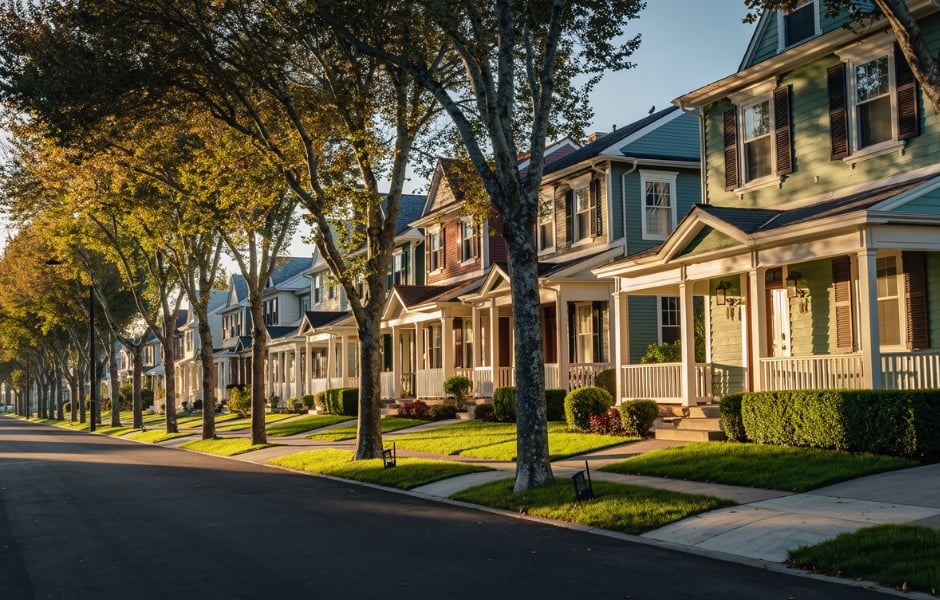
When buyers say they love a home, they’re often reacting to something beyond the house
itself. Before layout, finishes, or square footage truly register, buyers are already absorbing
the neighborhood — and those first impressions matter more than most people realize.
Across the DMV area, certain neighborhood details consistently create that emotional pull
buyers feel almost instantly.
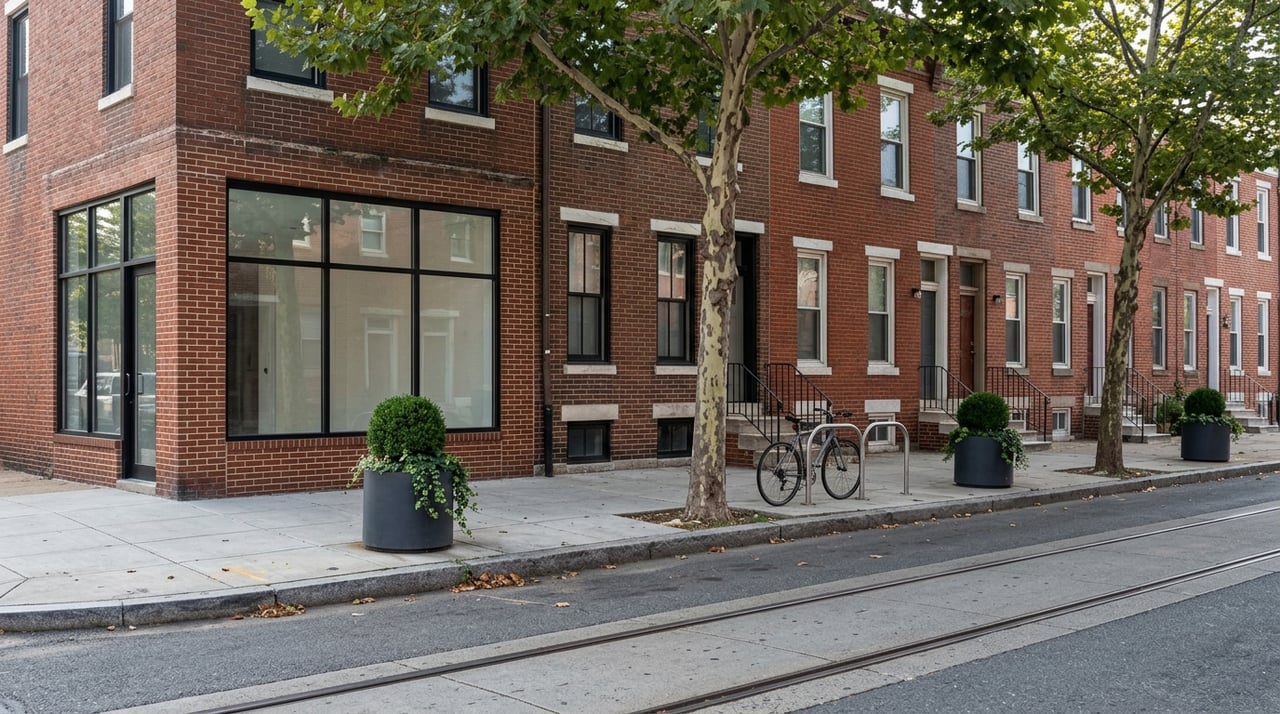
Walkability That Feels Natural
Buyers are drawn to neighborhoods where walking feels easy and intentional. Sidewalks,
tree-lined streets, nearby green spaces, or the ability to walk to coffee, shops, or local
gathering spots all signal lifestyle, not just location.
Even buyers who plan to drive most places still value knowing they could walk if they
wanted to.
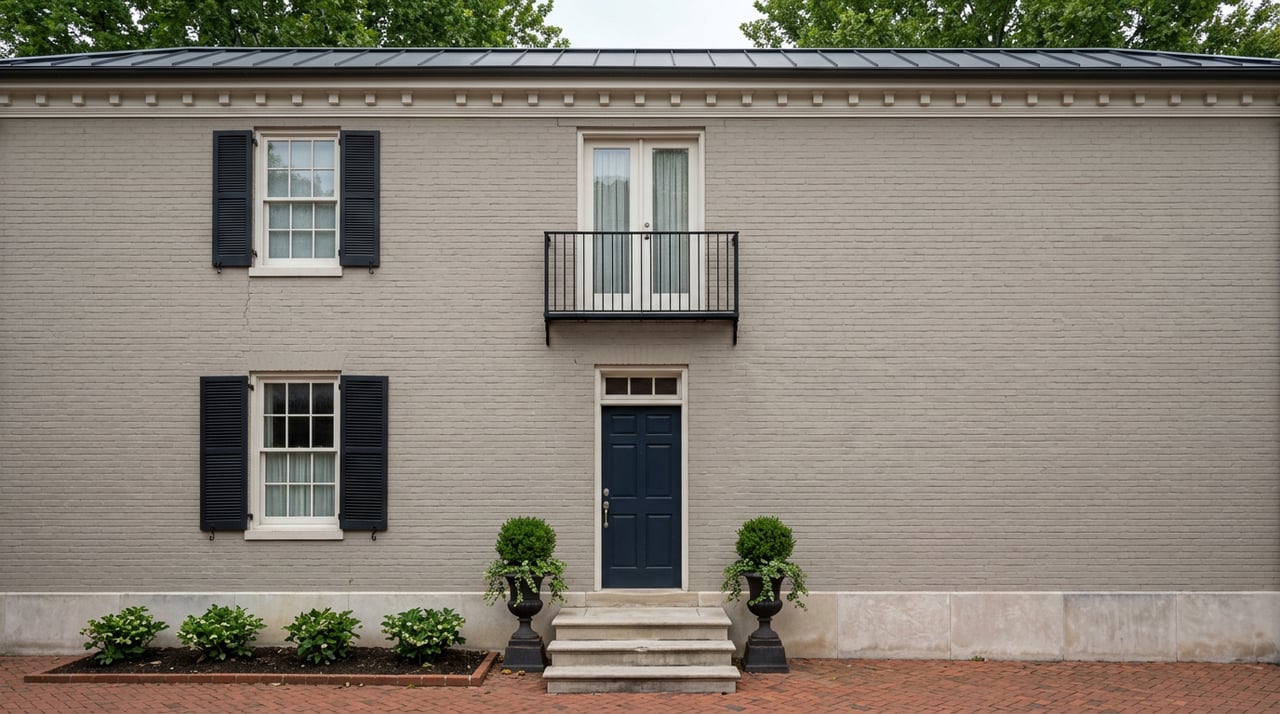
Architecture With Character
Neighborhoods where homes feel thoughtfully designed — rather than copied and pasted
— tend to stand out. That character might come from historic details, architectural variety,
mature landscaping, or simply homes that fit the setting.
Buyers don’t need everything to look the same, but they do want it to feel cohesive and
established.
Front Yards That Feel Inviting
Small exterior touches make a big impact. Well-kept lawns, seasonal flowers, clean
walkways, and welcoming front entrances subtly communicate care and pride.
Buyers often interpret these details as a sign of a well-maintained neighborhood overall,
not just a single home.
Signs of Community (Without Being Overwhelming)
People notice the quiet cues: neighbors out walking, kids playing, porch décor that
changes with the seasons, or community boards with local events. These details suggest
connection without feeling intrusive.
It’s not about everyone knowing everyone — it’s about feeling comfortable and at ease.
Smart Proximity
Buyers love neighborhoods that offer convenient access to work hubs, downtown areas,
restaurants, schools, or transit — without constant noise or congestion.
The sweet spot is feeling connected while still having a sense of retreat.
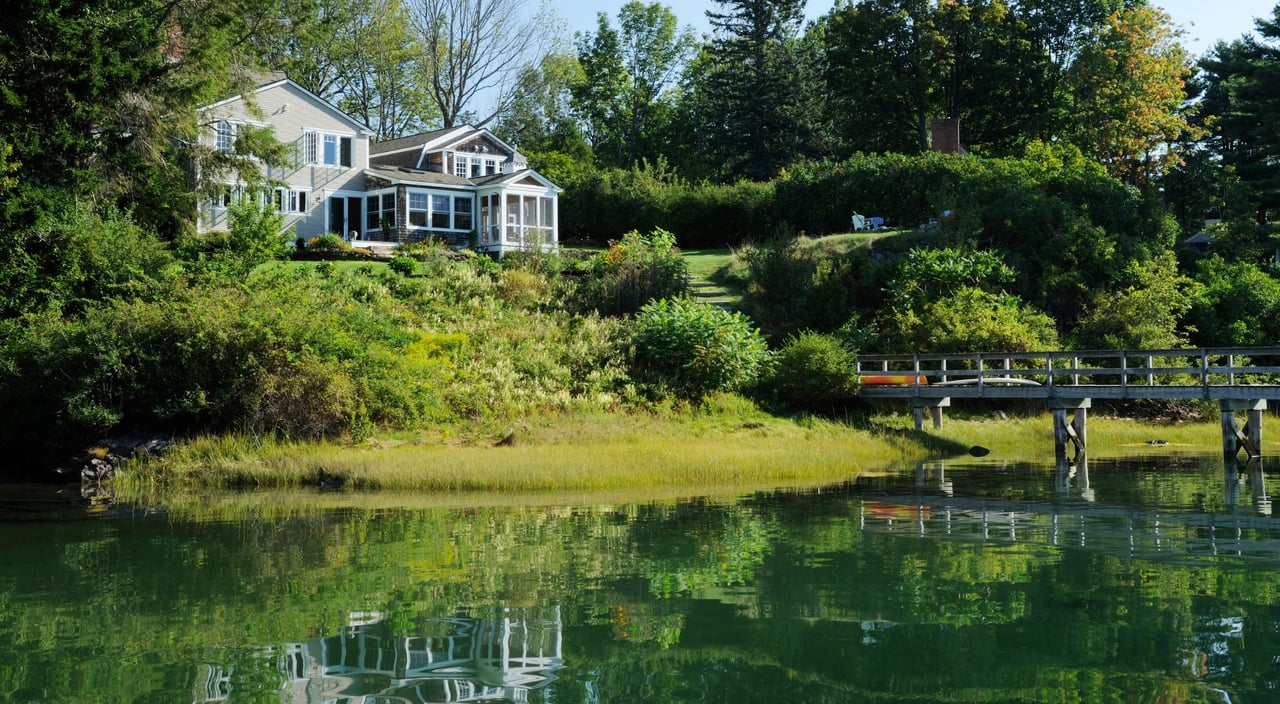
Outdoor Spaces That Extend the Home
Neighborhoods with nearby trails, parks, waterfront access, or shared green spaces
consistently attract attention. Even if buyers don’t use them daily, knowing they’re there
adds perceived value.
The Difference Between Liking a Home and Wanting It
Homes don’t sell in isolation. They sell as part of a bigger picture that includes how life
might feel there. The neighborhood often does the emotional heavy lifting long before
buyers start comparing layouts or numbers.
Highlighting neighborhood features in listing descriptions, photos, and conversations helps
buyers connect faster — not just logically, but emotionally. And that emotional connection
is often what turns casual interest into a real decision